Calorie expenditure after exercise: Moving beyond facts and misconceptions for effective weight management.
Understanding how many calories your body burns after exercise is crucial for successful weight loss. Many people believe that "exercise makes you lose weight," but in reality, calorie expenditure is influenced by a complex interplay of factors including the type and intensity of exercise, its duration, as well as individual body composition, basal metabolic rate, and exercise habits. This article explains the general principles of calorie expenditure after exercise and provides practical tips to help you determine whether your workouts are actually contributing to fat loss.
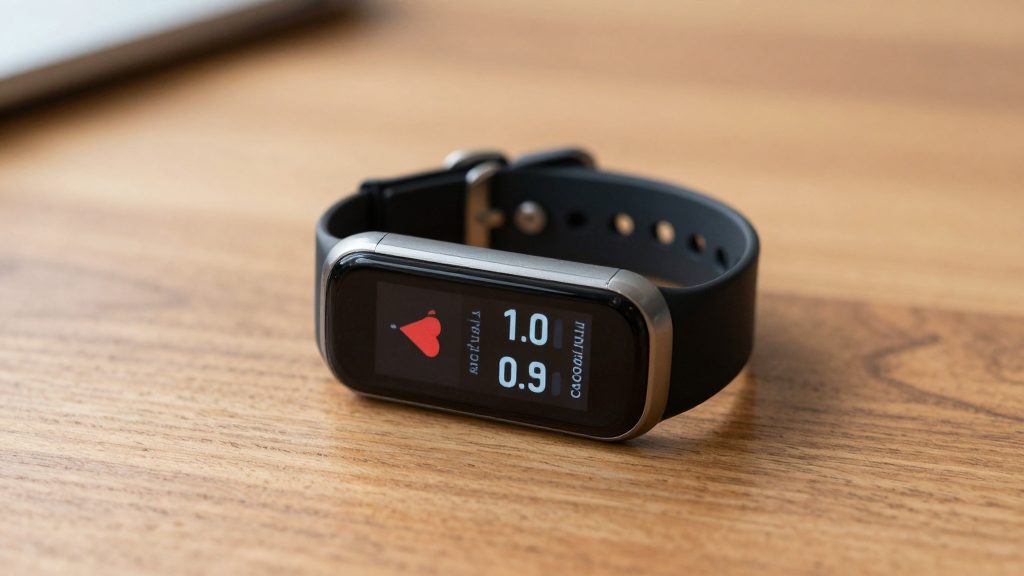
The Truth About Calorie Expenditure After Exercise: Immediate Burn vs. Long-Term Metabolic Boost
Calorie expenditure after exercise doesn't just occur during the workout itself; it continues even after you finish. This phenomenon is called "Excess Post-exercise Oxygen Consumption" (EPOC), and it refers to the fact that your body burns more calories as it recovers from exercise. This effect is more pronounced with higher-intensity workouts, particularly High-Intensity Interval Training (HIIT) and compound strength training.
- HIIT can increase sustained calorie expenditure by 15-20% with just 20-30 minutes of exercise.
- Heavy weight training can increase calorie expenditure by an average of 10-15% for 24-36 hours as your muscles recover.
In contrast, low-intensity endurance exercise (e.g., a 40-minute walk) has little to no effect on calorie expenditure after exercise. Therefore, the misconception that "walking for long periods is enough to lose weight" should be avoided. The key factor is the impact of exercise intensity and type on calorie expenditure.
Exercise for Muscle Gain: Sustained Calorie Expenditure and Efficiency
The more muscle mass you have, the higher your basal metabolic rate (BMR) will be. This means that your body burns more calories throughout the day. This is a crucial factor in increasing the "sustained" calorie expenditure after exercise.
- While strength training may result in lower immediate calorie burn, it increases your BMR by 30-50kcal for every kilogram of muscle gained.
- Since you need to burn more calories to maintain muscle mass as your body fat percentage decreases, incorporating strength training into your routine is essential for weight loss.
For example, comparing someone who consistently does strength training three times a week to someone who doesn't, you'll see differences in their calorie expenditure patterns. The person doing strength training can experience an average increase of 100-150kcal in their BMR. This is similar to the effect of walking for 30-45 minutes every day, but it's a more sustainable approach to weight management.
The "False" Elements of Calorie Expenditure After Exercise: Sweat vs. Actual Fat Loss
Many people mistakenly believe that they're "burning fat" simply because they're sweating a lot during exercise. However, sweat is just the body losing fluids and has nothing to do with actual calorie expenditure. While you may temporarily lose weight due to fluid loss, you're likely to regain it once you rehydrate.
- There is no direct correlation between the amount of sweat and calorie expenditure.
- Any weight loss due to sweat within 1-2 days after exercise is usually regained as your body rehydrates.
Instead, remember that 1 kilogram of fat is equivalent to approximately 7700kcal. This means that if you create a calorie deficit of 500kcal per day, you can potentially lose 0.5-1kg of body fat per week.
Therefore, instead of celebrating excessive sweating after exercise, it's more important to assess whether the intensity and duration of your workout actually contributed to calorie expenditure.
Practical Guidelines: Choosing the Right Exercise for You
When choosing exercises to achieve your weight loss goals, consider these four factors:
- Intensity: Calorie expenditure increases significantly when you're breathing heavily and find it difficult to speak (heart rate above 130-150bpm).
- Duration: Workouts shorter than 20 minutes have limited impact on calorie expenditure, while those lasting 30 minutes or more are more effective.
- Type: Incorporating strength training at least three times a week, along with 1-2 sessions of HIIT or high-intensity cardio, will maximize sustained calorie expenditure and boost metabolism.
- Recovery: Feeling sore or experiencing muscle pain within 24 hours after exercise is a good indication that you're burning calories and promoting muscle recovery.
In addition, it's important to replenish fluids and consume protein after exercise. Dehydration can slow down your metabolism, while consuming protein (within 30-60 minutes after exercise) directly supports muscle recovery and metabolic maintenance.
In a Nutshell
- Calorie expenditure after exercise varies greatly depending on the intensity and type of workout. High-intensity interval training and strength training can induce EPOC, leading to sustained calorie burn.
- The foundation of fat loss is a daily calorie deficit of at least 500kcal, and sweating has no direct impact on weight loss. Calorie expenditure should be assessed based on "heart rate," "duration," and "type of exercise."
- Strength training increases your basal metabolic rate in the long run, leading to sustained calorie expenditure. Every kilogram of muscle gained can increase your daily calorie burn by approximately 30-50kcal, which is crucial for weight management.
- Three practical things to check after exercise: (1) Were you breathing heavily and finding it difficult to speak? (2) Did you exercise for at least 30 minutes? (3) Did you consume protein and fluids within one hour after exercising?

While exercise alone may not guarantee weight loss success, incorporating the right workout style and following these guidelines can effectively increase calorie expenditure, helping you achieve a balance between fat loss and muscle maintenance for more stable and sustainable weight management.
Related posts
How to develop a stretching habit that transforms your diet, just 10 minutes every day.
Why is soybean oil a "choice you might need to reconsider" when dieting?

Here are 5 key factors for successful weight loss: A practical guide to achieving sustainable and healthy weight management.
Tired of feeling hungry while dieting? Here are 3 practical strategies to help you succeed.
Popular posts
How to develop a stretching habit that transforms your diet, just 10 minutes every day.
Why is soybean oil a "choice you might need to reconsider" when dieting?
Here are 5 key factors for successful weight loss: A practical guide to achieving sustainable and healthy weight management.
Comments 0