Why is fat composition important in a diet?
"The Mediterranean diet is not just a meal plan, but a heritage of eating that emphasizes healthy fats and balanced nutrition."
Choosing the right oils and fats is a cornerstone of the Mediterranean diet, which focuses on nutrient-dense ingredients to support long-term wellness.
This guide explores why specific fat compositions are preferred, how to manage caloric intake through fat, and the historical significance of these dietary patterns.
You will learn about the recommended fat ratios, the importance of cardiovascular health, and the limitations of dietary patterns when applied to different lifestyles.
Why is fat composition important in a diet?
In the quiet kitchen at dawn, I closely examine the golden oil before I choose which bottle to pour into the pan.

A chef stands in a sunlit kitchen, carefully drizzling golden oil over a fresh salad of greens and vegetables. Choosing the right fat source is essential because the composition of fats directly influences the nutritional value of a meal.
The composition of fats dictates how the body processes energy derived from food.
In a diet following traditional patterns, the fat content typically accounts for 25% to 35% of the total intake of calories, while the amount of saturated fat is, at most, 8% of the calorie content. This balance ensures that energy is provided without an excessive intake of less desirable fats.
The constraint of keeping saturated fat low helps prevent the accumulation of harmful compounds in the body.
Understanding these ratios helps in managing overall caloric density. By keeping saturated fats at a minimum, the diet remains focused on unsaturated sources that characterize Mediterranean traditions. The preference for unsaturated sources suggests a focus on fats that support cellular function.
Fat composition determines how energy is released and how essential fatty acids are delivered to cells. Balancing different types of fats helps maintain hormonal health and supports the absorption of fat-soluble vitamins.
What are the health benefits of the Mediterranean diet? Why choose soybean oil for diet
A person sits at a wooden table, enjoying a meal of whole grains and legumes while reading about nutritional science. The Mediterranean diet has long been recognized for its potential to support various health outcomes. This potential is linked to the synergistic effects of its various components.
Since about 2016, the American Heart Association and American Diabetes Association have recommended the Mediterranean diet as a dietary pattern that may reduce the risk of cardiovascular diseases and type 2 diabetes, according to the Association and American Diabetes Association have.
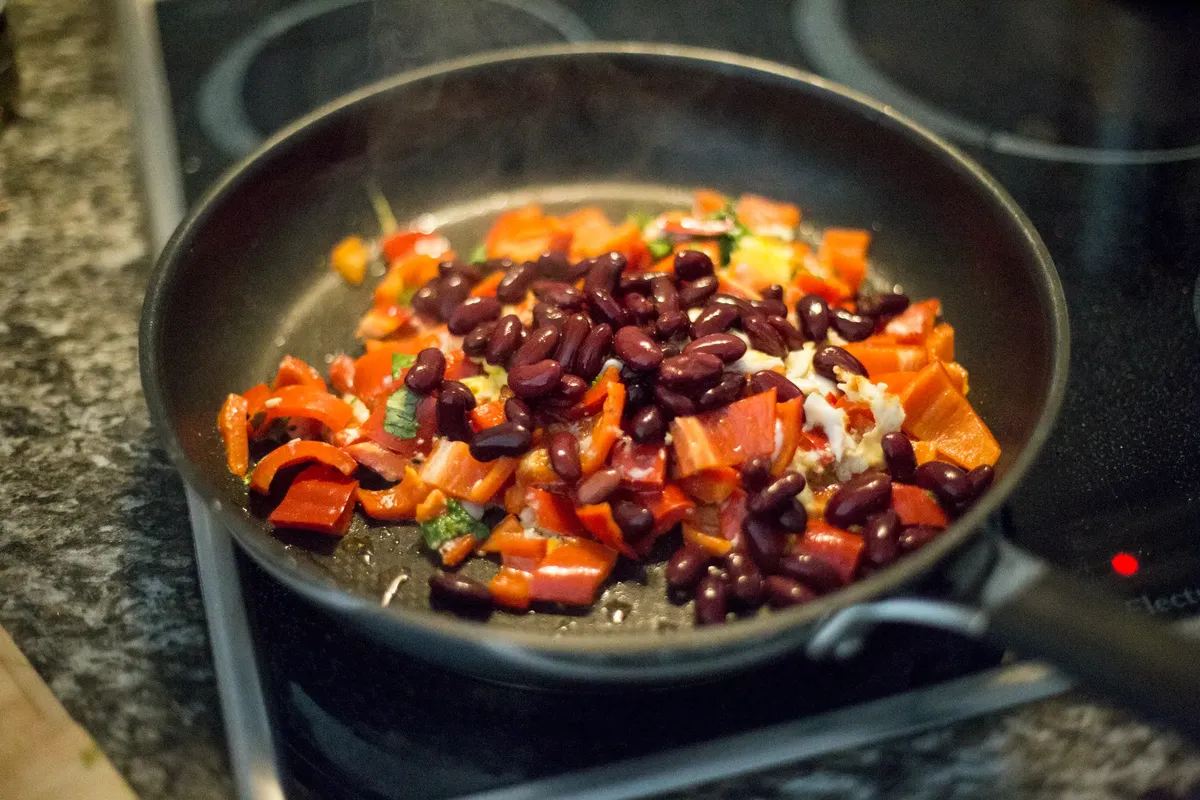
The American Diabetes Association and a 2019 review indicated that the Mediterranean diet is a healthy dietary pattern that may reduce the risk of diabetes, according to the Association and a 2019 review indicated.
In 2016, the American Heart Association discussed the Mediterranean diet as a healthy dietary pattern that may reduce the risk of cardiovascular diseases. The reduction in cardiovascular risk is attributed to the diet's emphasis on beneficial fatty acids.
Additionally, the American Diabetes Association and a 2019 review indicated that the Mediterranean diet is a healthy dietary pattern that may reduce the risk of diabetes. The potential reduction in diabetes risk suggests that the diet may improve insulin sensitivity.
These recommendations suggest that the dietary pattern is versatile for different health needs. The versatility of the pattern allows it to be adapted for individuals with different metabolic goals. It provides a structured way to consume fats and nutrients that align with modern health guidelines.
The alignment with modern guidelines ensures that the diet is scientifically supported.
This dietary pattern supports cardiovascular wellness and helps maintain healthy cholesterol levels. The emphasis on whole foods and healthy fats promotes satiety and steady energy levels throughout the day.
How does this diet relate to cultural heritage?
In my grandmother's rustic kitchen, I smell the pungent aroma of herbs as I choose a recipe passed down through generations.
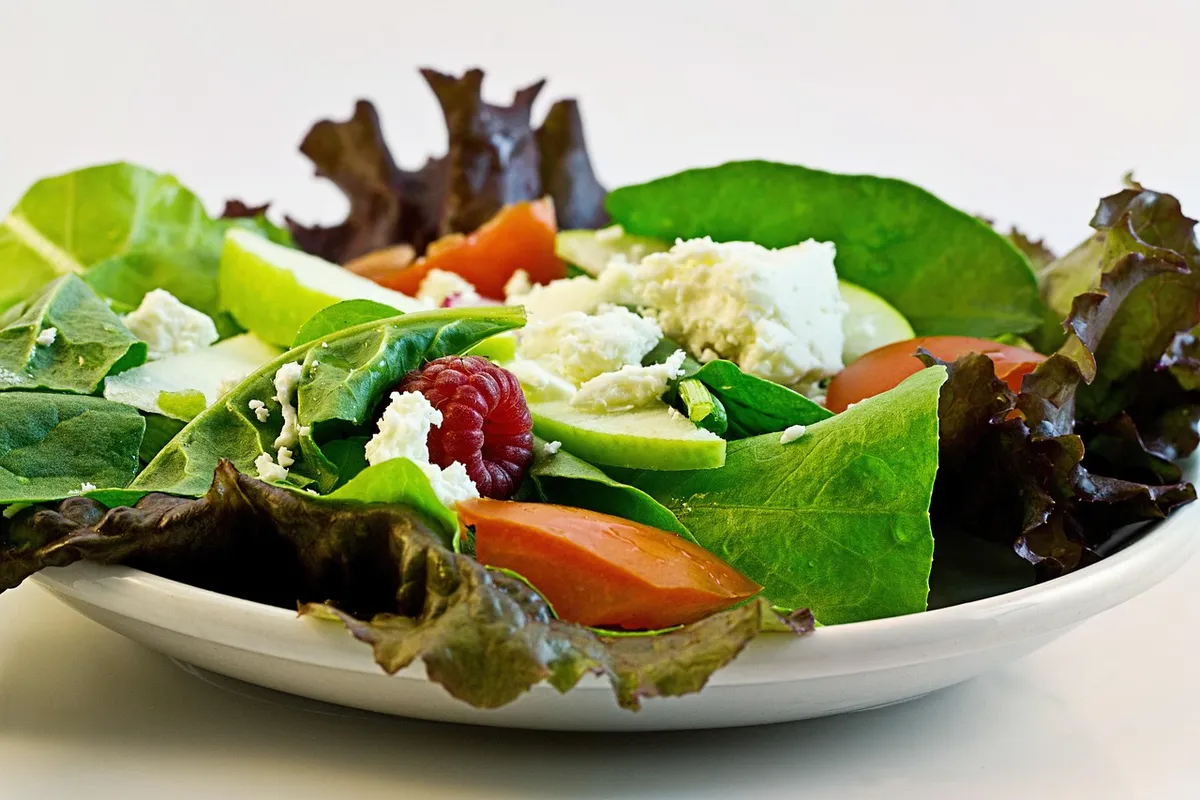
An artisan prepares traditional dishes in a coastal village, preserving recipes passed down through generations. The diet is more than a nutritional strategy; it is a deeply rooted cultural practice. This cultural practice is defined by specific culinary traditions and ingredient usage.
Mediterranean cuisine and its associated traditions and practices were recognized as an Intangible Cultural Heritage of Humanity by UNESCO in 2010 under the name "Mediterranean Diet". This recognition highlights the cultural depth behind the food choices.
The cultural depth implies that the diet is tied to regional identity.
Using these traditional methods provides a framework for modern dietary habits. This framework allows for the integration of ancient wisdom into contemporary life. It connects contemporary nutritional science with historical eating wisdom.
The connection between science and history validates the diet's longevity.
The diet is rooted in the traditional eating habits of Mediterranean coastal regions, where seasonal produce and olive oil have been staples for generations. It reflects a lifestyle of communal dining and respect for local ingredients.
How can I implement these fat ratios in my meals?
A person carefully measures oil in a small glass bowl to ensure they do not exceed the intended portion size. Implementing a healthy fat-to-calorie ratio requires intentionality in every meal. The intentionality required ensures that nutritional goals are met consistently.
- Prioritize unsaturated fats like olive oil to meet the daily caloric needs within the 25% to 35% range. The prioritization of unsaturated fats helps achieve the target caloric range without excessive saturation. 2. Limit saturated fat intake to ensure it does not exceed 8% of the total calorie content. This limitation serves as a crucial boundary for maintaining dietary quality. 3. Balance these fats with high-fiber foods to maintain satiety and nutritional density. The balance with high-fiber foods is necessary to complement the fat intake.

I found that managing these ratios helps in maintaining a consistent energy level throughout the day. The consistency in energy level is a direct result of the balanced fat intake. Following these steps ensures the diet remains within the healthy parameters established by nutritional research.
The adherence to these steps confirms compliance with scientific recommendations.
- Replace butter and lard with extra virgin olive oil for cooking and dressing.
- Incorporate a variety of nuts and seeds into snacks or breakfast.
- Prioritize fatty fish as a primary protein source several times a week.
What are the limitations of this dietary pattern?
A traveler looks at a menu in a different country, wondering how to adapt their healthy habits to local ingredients. While beneficial, the diet's effectiveness can be influenced by various external factors. The effectiveness of the diet depends heavily on external variables.
One limitation is that the specific health outcomes of the Mediterranean diet can vary depending on an individual's total caloric intake and activity levels. The variation in health outcomes suggests that the diet is not a standalone cure.
While the diet provides a framework, it is not a universal solution for every unique metabolic condition. The lack of universality implies that individual metabolic needs must be considered.
Adhering to this pattern may require more preparation time due to the focus on fresh ingredients. Additionally, sourcing high-quality oils and fresh seafood can be more expensive depending on the location.
Comparison of Dietary Fat Ratios
| Nutrient Type | Recommended Percentage of Total Calories |
|---|---|
| Total Fat Content | 25% to 35% |
| Saturated Fat | At most 8% |
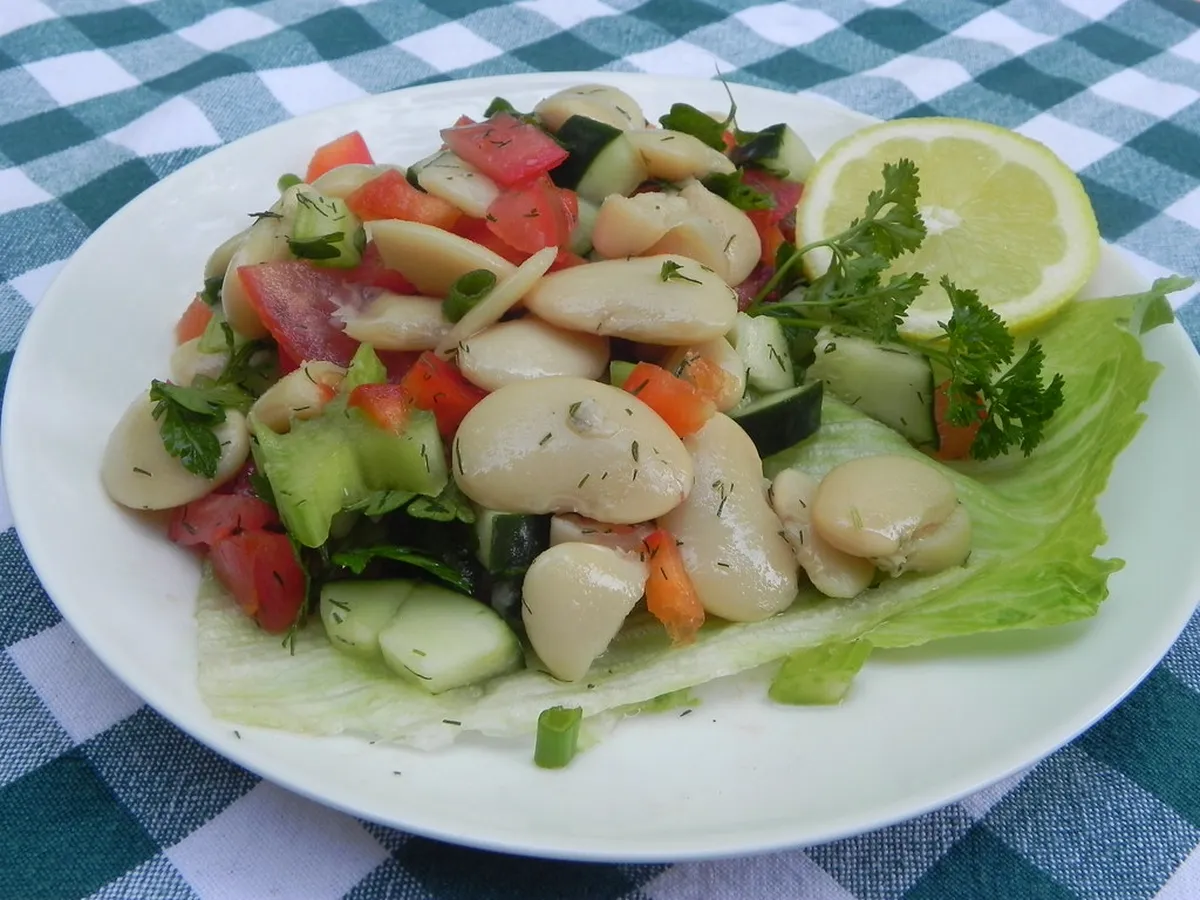
The comparison between total fat and saturated fat highlights the importance of quality over quantity. The comparison shows that while fat is essential, the type of fat is equally important.
While many modern diets focus on total fat restriction, this approach prioritizes the quality of fats. Shifting the ratio toward monounsaturated and polyunsaturated fats provides a different nutritional profile than high-carbohydrate or high-saturated fat diets.
The subject here is Why choose soybean oil for diet.
The same subject is also called Soybean oil diet benefits.
The same subject is also called Best oil for weight loss.
The same subject is also called Healthy fat in diet.
The same subject is also called Soy oil role in diet.
This part also covers Soybean oil for sustainable fat loss.
This part also covers Impact of soy oil on diet.
This part also covers Choosing soy oil for health.
Soybean oil for sustainable fat loss
Related



Comments 0