Dietary fiber weight loss: Why fiber is the silent architect
"Fiber is the silent architect of satiety and metabolic health, working through physical volume and chemical interaction to manage how our bodies process energy."
Understanding dietary fiber weight loss requires recognizing that different types of fiber serve distinct biological purposes. This guide explores how soluble and insoluble fibers contribute to health and provides a comparison of their roles.
You will learn about specific serving requirements for health claims, the importance of daily intake, and the limitations of certain dietary strategies.
How do different fiber types support dietary fiber weight loss?

A person stands in a grocery aisle, comparing the labels of various whole-grain products to find the best source of satiety. Different fibers interact with the digestive system in unique ways to manage hunger and digestion.
The FDA provides guidelines regarding the intake of soluble fiber for specific health claims.
Soluble fiber, such as beta-glucans found in oats or the fiber in psyllium husk, dissolves in water to form a gel-like substance. This gel can slow digestion and help manage energy levels.
According to the FDA, manufacturers can claim that regular consumption of 1.7 g of psyllium husk soluble fiber or 0.75 g of oat or barley beta-glucans may reduce the risk of heart disease. This physical change in the gut is a key component of fiber for satiety.
Insoluble fiber does not dissolve in water and adds bulk to the stool, aiding in regularity. While soluble fiber focuses on metabolic interaction, insoluble fiber helps move food through the digestive tract. This combination of types is essential for a balanced fiber diet benefits approach.
- Prioritize soluble fiber to increase satiety.
- Incorporate insoluble fiber to maintain regular digestion.
- Balance both types to manage overall caloric intake.
What are the key roles of fiber types for diet?
A cook prepares a meal using a mix of bran and oats, balancing textures to ensure a nutritious breakfast. Understanding fiber types for diet helps in selecting ingredients that meet specific health goals.

Soluble fiber is often linked to managing cholesterol levels.
As of 2008, the FDA approved health claims for qualified fiber products to show that regular consumption may reduce blood cholesterol levels, which can lower the risk of coronary heart disease, and also reduce the risk of some types of cancer.
This type of fiber is an essential tool when considering how fiber aids weight loss through metabolic regulation.
Insoluble fiber provides the bulk necessary for healthy digestion. It remains largely unfermented in the gut, acting as a structural component. Together, these fibers ensure that the digestive system remains active and efficient.
In this sequence, the second role is the most significant.
How can one maximize fiber diet benefits?
A person carefully measures out portions of grain-based foods to meet their daily nutritional requirements. Maximizing the effectiveness of a high-fiber diet involves strategic food selection and portion control.
To achieve a successful routine, follow these steps: 1. Incorporate high-fiber ingredients like wheat bran or corn bran into meals, as these often contain significant fiber content. 2. Balance soluble and insoluble sources to manage both satiety and digestive regularity. 3.
Monitor daily intake to ensure it meets the minimum requirements for healthy adults.
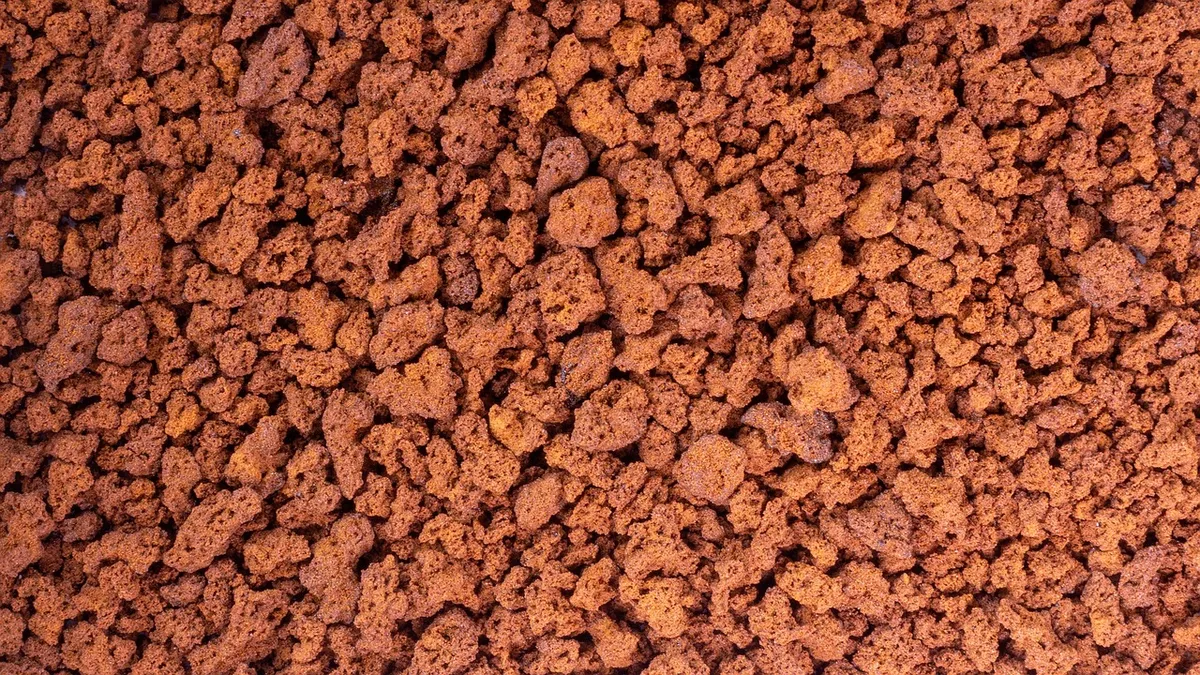
I once tried to replace all my snacks with high-fiber bran cereal, but I quickly realized that a variety of sources is better for long-term consistency. A final check should ensure you are consuming enough water to help the fiber move through your system smoothly.
How do fiber levels compare across different food sources?
A researcher looks at a data table comparing the nutritional density of various processed and natural food products. Comparing different food sources shows how much fiber is actually present in common items.
According to USDA FoodData Central, commercially prepared special dietary oatmeal cookies contain 2.9g of dietary fiber per 100g.
| Food Item | Fiber Content (per 100g) |
|---|---|
| Cookies, oatmeal, commercially prepared | 2.9 g |
| Pancakes, special dietary, dry mix | 0 g |
While some processed items contain small amounts of fiber, whole ingredients often provide much higher concentrations. For instance, grain bran products like crude corn bran can contain up to 79 g of fiber per 100 g.
What are the necessary intake levels for healthy adults?
A health professional discusses nutritional guidelines with a client to establish a baseline for wellness. Meeting the recommended daily intake is vital for maintaining the health benefits of fiber.
According to the British Nutrition Foundation, the organization issued a statement in 2018 to provide a more concise definition of dietary fiber and list established health benefits while raising the recommended daily minimum intake to 30 grams for healthy adults.
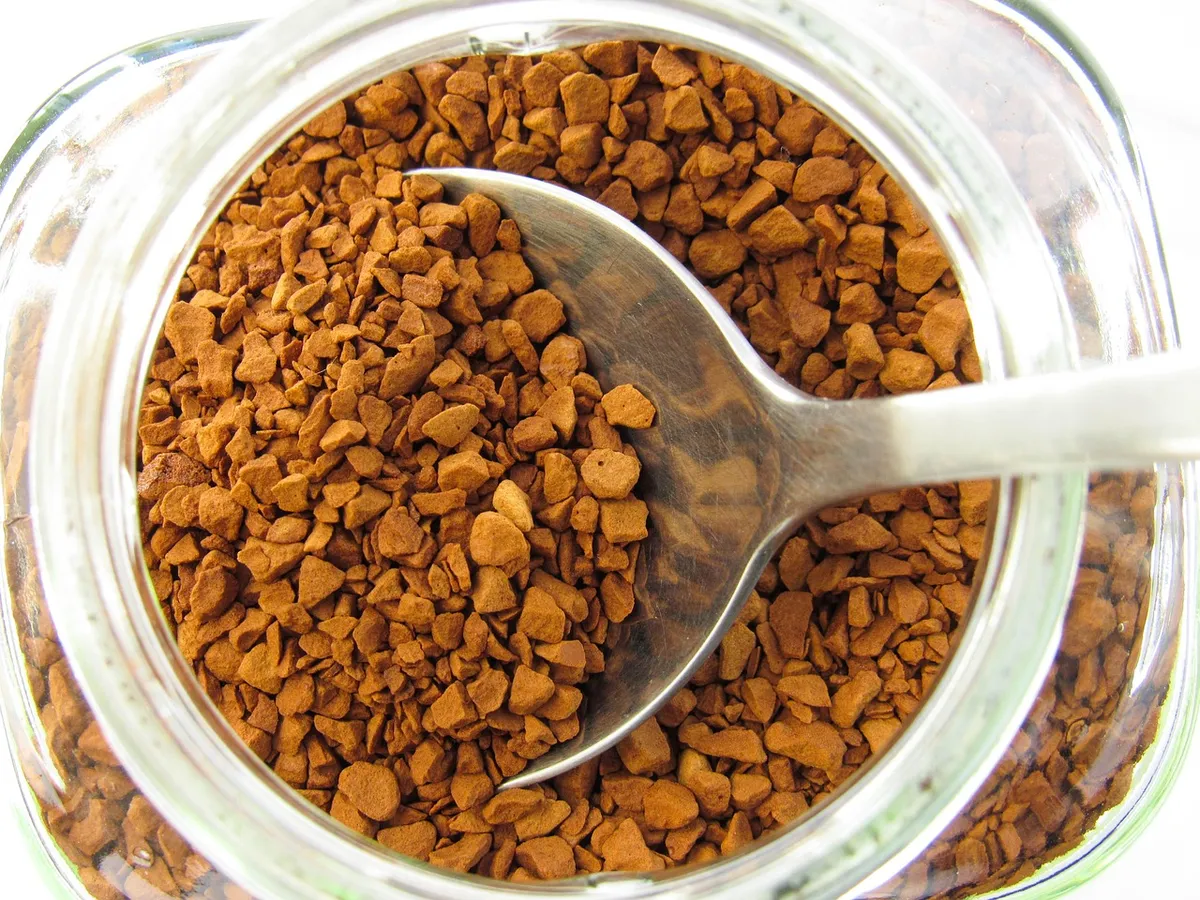
The British Nutrition Foundation issued a statement in 2018 to define dietary fiber more concisely and increased its recommended daily minimum intake to 30 grams for healthy adults. This higher target aims to provide sufficient support for various physiological functions.
A limitation of focusing solely on fiber is that highly processed foods may contain fiber but lack other essential nutrients. For example, while a supplement might provide the necessary fiber, it does not replace the complex nutrient profile of whole foods.
The subject here is dietary fiber weight loss.
The same subject is also called soluble vs insoluble fiber.
This part also covers fiber roles in dieting.
how fiber aids weight loss
Related
Why is the silent architect of fiber so important for metabolic health?
The silent architect of fiber influences metabolic health because it physically adds volume and chemically interacts with the body's processes for energy management. Soluble fiber contributes to this by forming a gel that slows digestion, a process critical for managing energy levels.
In contrast, insoluble fiber contributes by adding necessary bulk to the stool, ensuring proper passage through the digestive tract.
This combined action of slowing digestion and promoting physical movement is how the fiber exerts its influence on the body's energy processing system.
The chemical interaction provided by soluble fiber, alongside the mechanical action of insoluble fiber, creates a comprehensive support system for the gut.
Disclaimer: This article is general information, not medical advice. Consult a qualified healthcare professional before taking any supplement or medication.






Comments 0