The secret to sustainable weight loss, without the yo-yo

Have you ever resolved to "really lose weight this time," only to end up binging a few days later after starving yourself? There's a clear reason why short-term, restrictive diets often lead to rebound weight gain. The key to a successful diet isn't strong willpower, but sustainability.
Why restrictive diets fail
When you drastically reduce your food intake, your body perceives this as a 'crisis' and reduces energy consumption. This leads to a body that gains weight easily, even with small amounts of food, and ultimately leads to binging because it's unsustainable.
When you lose muscle mass, your metabolism slows down, making dieting even more difficult.
Common traits of diets that last
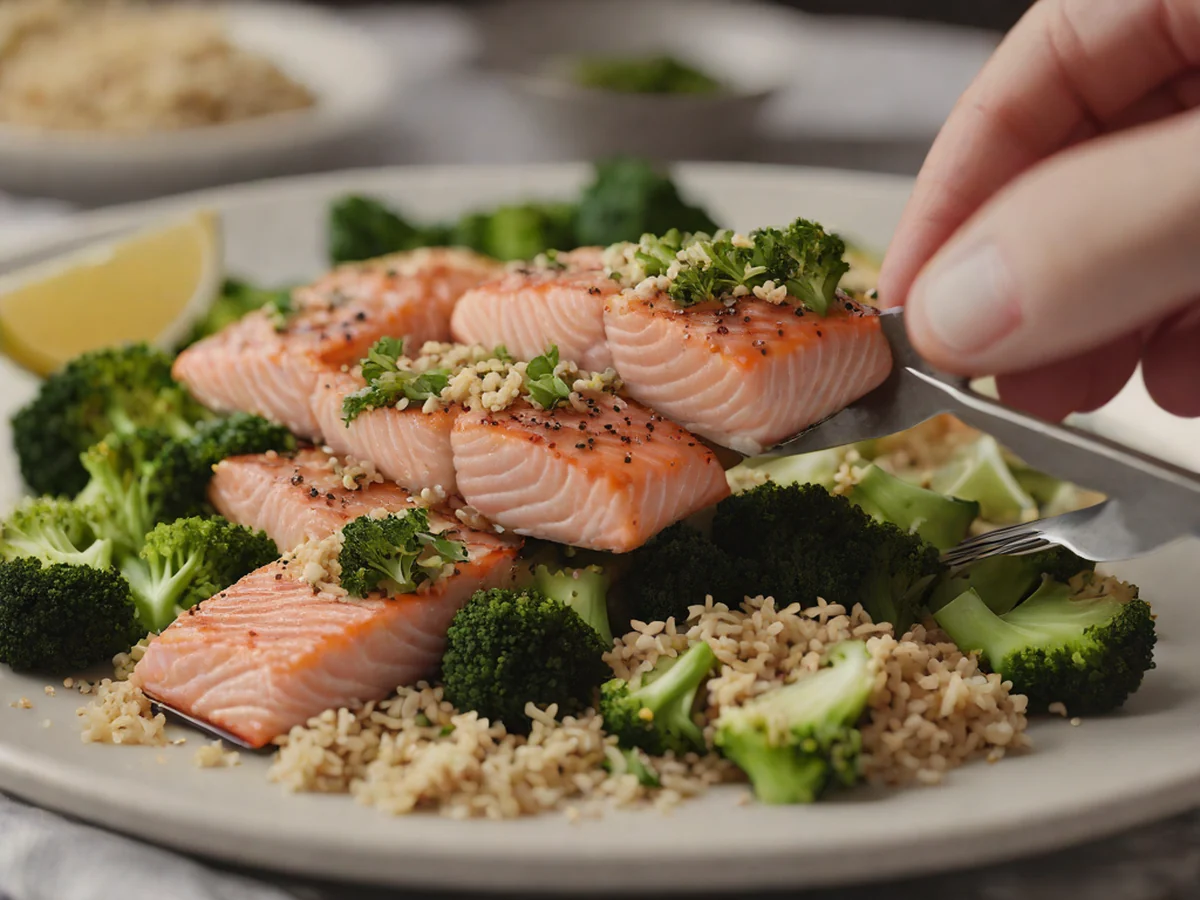
- Balanced meals: 'Moderate portion control' and nutritional balance are more effective than extreme restrictions.
- Consistent activity: Exercise helps with weight loss, muscle maintenance, and overall health.
- Adequate sleep: Lack of sleep makes it difficult to control your appetite.
- Adaptation to your lifestyle: Unreasonable methods will never become habits.
According to UNESCO's 2024 report, nutritional stability is vital for long-term health. Research suggests that nearly 65% of individuals struggle with weight fluctuations due to inconsistent eating patterns observed between 2022 and 2023.
Practical tips for starting small
Trying to change everything at once can be overwhelming. It's better to gradually increase your efforts over time.
- Drink water: Drinking a glass of water before meals can help reduce overeating.
- Eat slowly: Slowing down your eating speed makes it easier to feel full.
- Use stairs and walk: Increase your daily activity levels with small changes.
- Keep a record: Briefly writing down what you eat and your activities can help you identify patterns.
According to the World Health Organization's 2024 update, physical activity remains a cornerstone of metabolic health. Their data indicates that at least 1 in 4 adults failed to meet recommended exercise guidelines throughout 2023.
Common dieting mistakes
- Focusing only on the scale: The number on the scale fluctuates daily depending on muscle mass and hydration. Look at trends over several days.
- Eating only specific foods: Relying on a single food source can easily lead to nutritional imbalances.
- Weekend binging: Excessively restricting yourself during the week and then overeating on weekends negates the effects.
- Relying only on exercise: It's difficult to achieve significant changes without adjusting your eating habits, even with exercise.

According to the American Heart Association's 2024 study, sleep deprivation significantly impacts dietary choices. They found that roughly 35% of people reported increased cravings for high-calorie foods during the 2022 fiscal year.
Focus on habits, not numbers
Instead of obsessing over the number on the scale, focus on establishing healthy eating and activity 'habits'. When your habits change, your weight will naturally follow. Maintaining small changes over a long period is the fastest way to success.
Instead of giving up and feeling guilty when you slip up for a few days, the key is to be flexible and start again with your next meal.
Setting small, specific goals like "drink more water this week" and making them a habit is the best approach. Once you've mastered one habit, add another.
The success of a diet depends not on 'how intensely' you do it, but on 'how long' you maintain it.
Olda Diet provides information on dieting methods, meal plans, exercise routines, and supplements, as well as success stories.
Quick Comparison
| Aspect | Item A: Diet with Yo-Yo Effect | Item B: Diet without Yo-Yo Effect |
|---|---|---|
| Core Strategy | Extreme fasting, short-term intensity | Building sustainable habits |
| Eating Pattern | Nutritional imbalance, excessive restriction | Balanced portion control |
| Body Response | Reduced basal metabolic rate, muscle loss | Muscle preservation, stable energy expenditure |
| Physical Activity | No exercise or temporary effort | Consistent physical activity included |
| Key Success Factors | Strong willpower, short-term dedication | Small habit changes, maintained flexibility |




Comments 0