Sustainable Dieting: 4 Pillars for Long-Term Fat Loss
"The scale is a liar if it doesn't account for the muscle you're losing."
Stop chasing the "quick fix" and start building a lifestyle. True weight management is a marathon of nutrition, not a sprint of starvation.
* Shift the Goal: Move from "weight loss" to "body composition." * Nutritional Equilibrium: Prioritize nutrient density to prevent metabolic slowdown. * The 80/20 Rule: Allow for flexibility to ensure long-term success. * Metabolic Protection: Focus on protein and fiber to maintain muscle mass.

Why do fad diets often fail in the long run?
At 6:00 AM on a Tuesday in early 2025, you stand in a brightly lit gym, feeling the heavy exhaustion of a body running on empty. You have spent three days eating nothing but celery and water to hit a target number.
You look in the mirror and see a lower number on the scale, but your strength is gone and your mood is crashing.
The psychological trap of extreme restriction is a cycle of deprivation followed by an inevitable "rebound." When you tell your brain that food is scarce, it triggers an intense hunger response that eventually overrides willpower.
This is why approximately 14–15% of Americans declare having used a fad diet for short-term weight loss, often finding themselves back where they started within months.
The biological reality is even more punishing. This is known as metabolic adaptation. When you drastically cut calories, your body attempts to conserve energy, effectively slowing down your metabolic rate. This makes it harder to lose weight and easier to gain it back.
It is also vital to distinguish between "weight loss" and "fat loss." A crash diet might show a five-pound drop in a week, but much of that is water weight and muscle tissue. Losing muscle mass lowers your metabolic baseline, making future weight management even harder.
This cycle of weight cycling—losing and regaining—can be more taxing on the body than maintaining a stable, slightly higher weight. But understanding the biology is only half the battle.

What are the pillars of a sustainable diet plan?
Sitting at a wooden kitchen table on a rainy Thursday afternoon, you look at a colorful plate of roasted vegetables, quinoa, and grilled chicken. The meal feels satisfying rather than restrictive. There is no sense of hunger pangs, just a quiet feeling of fullness.
The first pillar is caloric adequacy. Instead of searching for the lowest possible calorie count, find your "maintenance" baseline. This is the amount of energy your body needs to function.
A moderate deficit—one that doesn't leave you shaking—is the only way to ensure the weight lost is primarily fat.
The second pillar is macronutrient balance. This involves three key players: * Protein: Essential for muscle preservation and satiety. * Fats: Necessary for hormonal health and brain function. * Carbohydrates: The primary energy source for your daily activities.
The third pillar is micronutrient density. Vitamins and minerals are the "spark plugs" of your metabolism. Without them, even if you hit your calorie goals, your body cannot efficiently process energy.
Finally, fiber intake acts as a tool for gut health and appetite control, keeping you feel full for longer periods.
| Nutrient Category | Primary Role | Sustainability Tip |
|---|---|---|
| Protein | Muscle preservation & Satiety | Aim for a protein source at every meal. |
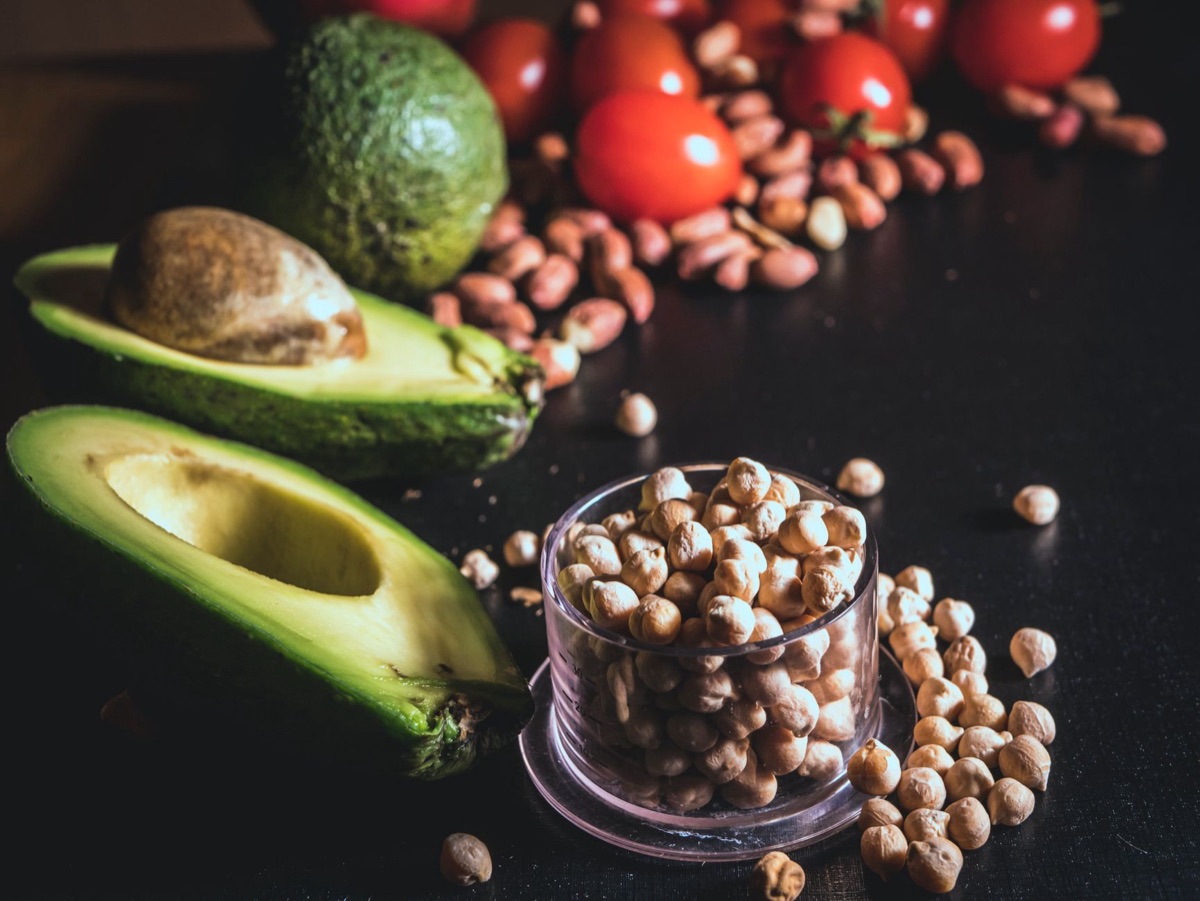
| Fats | Hormone regulation | Choose healthy fats like avocado or olive oil. |
| Carbohydrates | Energy source | Focus on complex carbs like oats or sweet potatoes. |
| Fiber | Digestion & Fullness | Include leafy greens and whole grains daily. |
When I tried to cut carbs entirely back in 2024, I found my energy levels plummeting by midday. It taught me that balance is better than extremes. But how do you keep that balance when life gets busy?
How can we manage body fat while maintaining energy?
The sun is setting on a Friday evening, and you are finishing a workout after a long day at the office. Instead of feeling depleted, you feel a steady hum of energy because your breakfast was balanced.
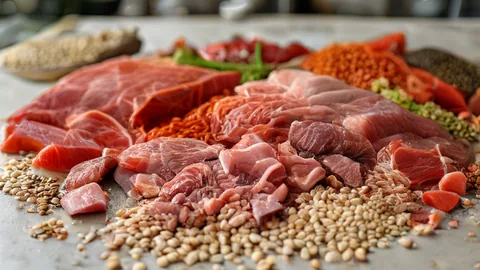
Managing body fat while keeping energy levels high requires a focus on the protein-to-calorie ratio. By consuming higher amounts of protein relative to your total calories, you can protect lean muscle mass while the body taps into fat stores for energy.
This prevents the "skinny fat" look and keeps your metabolism running.
Managing insulin levels is the next step. Consuming complex carbohydrates paired with fiber helps prevent the sharp blood sugar spikes and crashes that lead to sudden hunger. This stability is key to avoiding the energy crashes that derail many diets.
The global landscape shows that the stakes are rising. Worldwide, obesity is progressively on the rise, leading to an increased prevalence of chronic conditions such as cardiovascular disease, type 2 diabetes, and hyperlipidemia.
This makes the shift toward healthy body fat management a matter of long-term survival, not just aesthetics. Combining a balanced diet with regular strength training is the gold standard for optimizing body composition and protecting against these chronic issues.
However, even the best plan can fail without a routine.
How do we build a routine that lasts years, not weeks?
On a Sunday afternoon in 2026, the sound of a knife hitting a cutting board fills the kitchen as containers are filled with colorful, organized meals. You aren't just cooking; you are setting the stage for your success.
The difference between success and failure often lies in the difference between meal prepping and meal planning. Meal planning is deciding what you will eat; meal prepping is actually preparing those foods.
Having healthy, ready-to-eat options in your fridge prevents the "emergency" decision to order fast food when you are tired.
The "crowding out" method is another effective strategy. Instead of focusing on what you *can't* eat, focus on adding healthy foods first. If you fill half your plate with vegetables at every meal, there is naturally less room for processed, calorie-dense foods.
This makes the transition feel less like a sacrifice.
Mindful eating is the final piece. This means learning to listen to hunger and satiety cues. If you eat while staring at a screen, you miss the signals that tell you you're full. Socially, the key is integration. Don't try to avoid restaurants or holidays entirely.
Instead, learn to navigate them by making smarter choices—like choosing grilled options or sharing a meal—so that your social life doesn't become an enemy to your health. But what about the supplements people often reach for to bridge the gap?
What role do supplements play in a balanced diet?
Looking at a small organized tray of vitamins on a morning countertop, you realize these are just the final 5% of your nutritional puzzle. They are the insurance policy, not the foundation.
The golden rule is that supplements should follow the "support, not substitute" rule. They are meant to fill gaps in an otherwise balanced diet, not replace whole foods. If your diet is poor, a pill cannot fix the lack of micronutrients.
Commonly used supplement categories include: * Protein Powders (Whey or Plant-based): Useful for hitting protein targets when whole food is inconvenient. * Fiber Supplements: Can assist with digestive regularity and appetite control.
* Multivitamins: Serve as micronutrient insurance to cover potential deficiencies.
Safety is paramount. Avoid "miracle pills" that promise rapid weight loss. Most of these are unregulated and can be dangerous. Instead, focus on clinically studied ingredients. When reading labels, look for the actual dosages.
If a "protein bar" or "weight loss shake" has massive amounts of fillers and very little actual protein, it is not serving your goals.
Summary of Sustainable Principles
- Prioritize Protein: This protects muscle and keeps hunger at bay.
- Focus on Volume: Use fiber-rich vegetables to fill your stomach without excessive calories.
- Plan for Flexibility: Allow for "off-track" meals to prevent the feeling of failure.
- Build Muscle: Use resistance training to ensure weight loss comes from fat, not tissue.
- Consistency over Intensity: A moderate plan you can follow for years is better than an extreme plan you quit in two weeks.






Comments 0