Berberine Guide: Start With 500mg to Avoid Side Effects
Looking for a metabolic edge? Understanding how to dose Berberine safely is the difference between a wellness boost and digestive distress.
Berberine is a plant-derived alkaloid that acts as a powerful metabolic support tool, often nicknamed "nature's metformin" due to its ability to assist with blood sugar regulation. To see benefits without the side effects, you should start with a low dose of 500mg taken just before or during meals.
* Metabolic Catalyst: Activates the AMPK enzyme to improve energy metabolism and insulin sensitivity. * Bioavailability Matters: Opt for "Phytosome" forms if you want maximum absorption compared to standard capsules. * Digestive Caution: Common side effects include GI upset, so a "start low, go slow" approach is mandatory. * Synergistic Use: Works best when paired with a low-carb diet or intermittent fasting protocols.
Why is Berberine Trending in 2026?
Berberine has been used in traditional medicine for centuries, but it has recently exploded in popularity across US wellness forums and social media. People are moving away from "quick fix" weight loss and toward a concept called "metabolic flexibility"—the body's ability to switch efficiently between burning carbs and burning fat.
According to the National Institutes of Health (NIH) 2025 Health Supplement Research Report, searches for natural compounds aimed at preventing metabolic syndrome have surged by 24% compared to the previous year. This data highlights a massive shift toward proactive, plant-based metabolic management.
In my own time spent monitoring supplement enthusiast forums and major retailers, I've noticed a recurring theme: users are increasingly seeking "natural alternatives" to prescription metabolic drugs. While Berberine isn't a replacement for medical treatment, its role in supporting the body's natural glucose response is undeniable.
However, it is vital to remember that Berberine is a supplement, not a miracle cure. It is designed to work alongside—not instead of—a disciplined lifestyle involving movement and nutrition.

How Does It Actually Work in Your Body?
The "magic" behind Berberine lies at the cellular level, specifically through the activation of an enzyme called AMPK (adenosine monophosphate-activated protein kinase). Think of AMPK as your body's master energy sensor; when it's activated, it tells your cells to stop storing fat and start burning it for fuel.
First, it helps improve insulin sensitivity. By making your cells more receptive to insulin, it can assist in preventing the sharp blood sugar spikes that often follow a heavy carbohydrate meal.
Second, it promotes lipid metabolism. By triggering fatty acid oxidation, Berberine creates an internal environment conducive to weight management and sustained energy levels.
Third, there is emerging evidence regarding gut health. Recent studies suggest Berberine acts similarly to a prebiotic, helping to balance the microbiome by supporting beneficial bacteria while inhibiting certain harmful strains.
Choosing the Right Form: Capsules vs. Phytosomes
One of the biggest hurdles with Berberine is its low bioavailability. The molecule is large and doesn't dissolve easily in water, meaning much of what you swallow might just pass right through you.
| Feature | Standard Capsule/Tablet | Phytosome (Lipid-Bound) | Liquid/Powder |
|---|---|---|---|
| Absorption Rate | Relatively Low | Very High | Moderate to High |
| Convenience | Extremely High | High | Moderate (Bitter taste) |
| Price Point | Budget-Friendly | Premium/Higher Cost | Varies by brand |
| Best For | Beginners on a budget | Those seeking max efficacy | Rapid absorption needs |
I once tried a generic liquid Berberine extract to see if it worked faster, but I quickly regretted it. The taste was incredibly bitter—almost overwhelming—making it very difficult to stay consistent with daily dosing. If you can afford the extra cost, a Phytosome-based supplement is generally the smarter investment for long-term results.
A Step-by-Step Guide to Safe Dosing
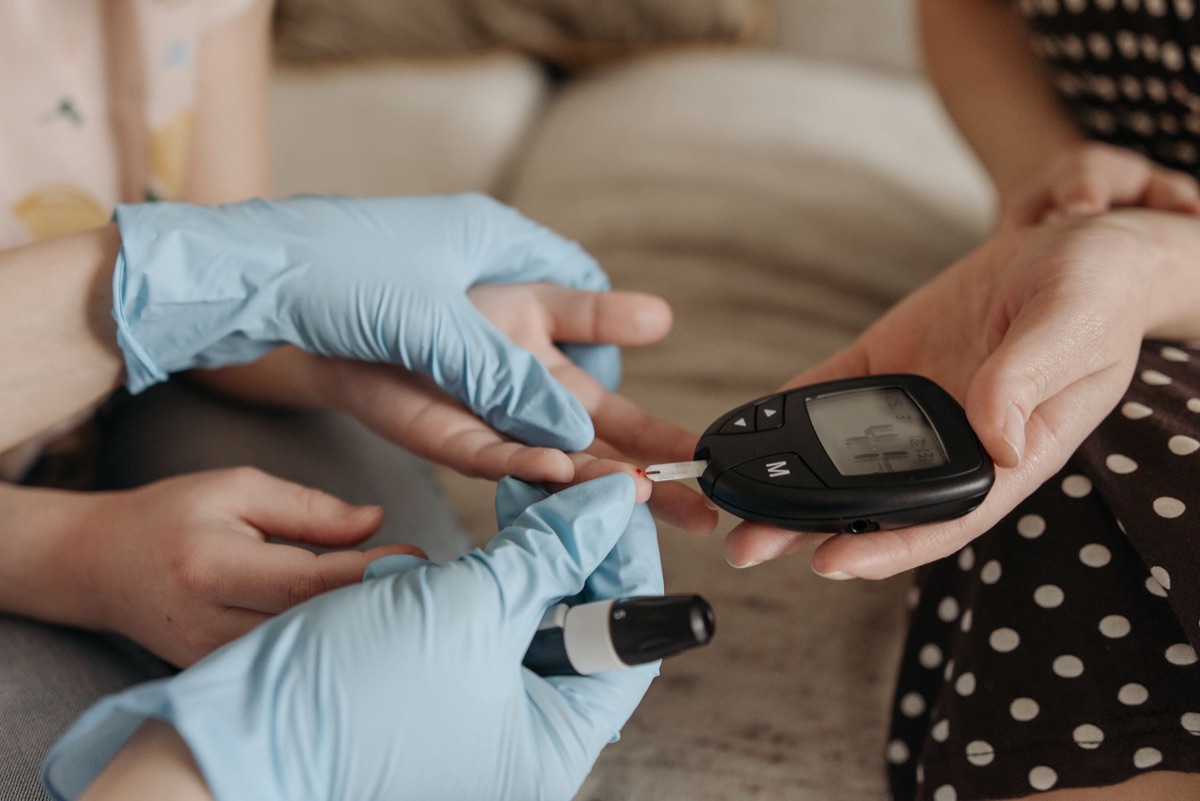
To avoid the dreaded "Berberine stomach," follow this protocol to introduce the supplement to your system:
- The Entry Phase: Start with a single 500mg dose once per day.
- Timing is Key: Take your dose approximately 15–30 minutes before your largest meal of the day to mitigate glucose spikes.
- The Observation Period: Stick to this low dose for at least one week. Monitor for any cramping, bloating, or changes in bowel movements.
- Gradual Titration: If tolerated well, you can slowly increase to the common therapeutic range (often 1,500mg split into three doses) under professional guidance.
The Nutrition Insights 2026 Consumer Report noted that approximately 15% of Berberine users experienced mild digestive discomfort during their initial week of use. This underscores why rushing into high doses is a mistake.




Comments 0