Isoflavone weight loss guide: Fat absorption tips
"The pursuit of dietary balance often leads to the discovery of specific compounds that influence how our bodies process nutrients."
An isoflavone weight loss guide focuses on understanding how natural compounds interact with metabolic pathways to manage fat. This guide covers the role of compounds like puerarin, dietary fat limits, and the specific nutritional profiles of soy-based products.
Key takeaways include understanding fat absorption suppression, adhering to international dietary fat guidelines, and recognizing that supplement use has specific physiological boundaries.
How does an isoflavone weight loss guide address fat absorption?
A researcher examines a molecular structure under a microscope to understand how natural compounds interact with biological pathways. Recent findings suggest that a natural compound called puerarin mimics the suppression of the DMV-vagus pathway.
This mechanism provides a foundation for an isoflavone fat loss tips strategy centered on metabolic regulation. By targeting specific pathways, these compounds offer a different approach to managing how the body handles dietary fats.
Understanding these biological interactions is essential for anyone looking to refine their nutritional intake.
In this sequence, the second step is the most detailed.
What are the key benefits of an isoflavone diet?
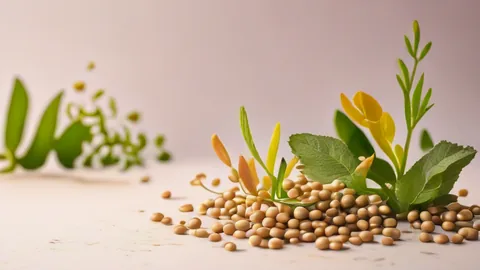
Standing in the bright kitchen, she felt the smooth texture of the soy beans as she studied the benefits of an isoflavone diet. A person carefully reads a nutrition label while preparing a balanced meal for the week. Incorporating soy-based components into a diet can provide various nutritional advantages. For instance, dry soybeans contain 36% protein and 20% fat in the form of soybean oil by weight.
Using these components can serve as an effective isoflavone diet benefits strategy for maintaining protein intake. Balancing these macronutrients is vital for those managing energy density.
It is important to note that while soy is nutrient-dense, the composition of the final food depends heavily on how the beans are processed.
How can I develop an isoflavone nutrition guide for daily meals?
A cook measures out ingredients to ensure every meal meets specific nutritional targets. Creating an isoflavone nutrition guide requires looking at the relationship between fat intake and caloric density.
For example, a low-calorie diet mayonnaise contains 19.2g of fat and 231kcal per 100g, according to USDA FoodData Central.
Integrating such items requires careful planning to stay within energy limits. This isoflavone diet planning approach ensures that even processed alternatives are accounted for in the daily total. When building a meal, one must consider how these fats contribute to the overall caloric load.
- Identify soy-based food sources to incorporate into your breakfast.
- Balance these sources with fiber-rich vegetables during lunch and dinner.
- Monitor portion sizes to maintain a consistent caloric intake.
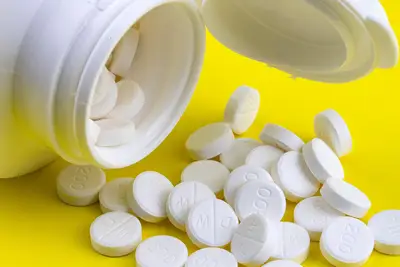
What precautions should I take with an isoflavone diet? A health-conscious individual pauses to consider the long-term effects of a new supplement regimen. While exploring new dietary additions, one must remain aware of potential physiological impacts.
According to the European Food Safety Authority, a 2015 scientific review concluded that intake of isoflavones from supplements did not affect thyroid hormone levels in postmenopausal women.
A 2015 scientific review by the European Food Safety Authority concluded that intake of isoflavones from supplements did not affect thyroid hormone levels in postmenopausal women.
This finding suggests that for certain populations, supplement use may not impact specific hormonal functions. However, it remains a vital isoflavone diet precautions point to monitor individual health responses. Always consider how specific supplements interact with your unique biological profile.
How do I manage fat intake using an isoflavone diet planning approach?
A person adjusts their grocery list to favor healthier fat sources over saturated ones. Effective dietary management involves balancing different types of fats to meet health goals.
According to the British Nutrition Foundation, the saturated fatty acids should make up no more than 10% of total dietary energy based on the totality of available evidence.
In 2020, the World Health Organization recommended lowering dietary intake of saturated fats to less than 10% of total energy consumption, and increasing intake of unsaturated fats.
Managing these ratios helps maintain a healthy energy balance. The British Nutrition Foundation has also stated that saturated fatty acids should make up no more than 10% of total dietary energy. Following these guidelines ensures that the focus remains on high-quality nutrient sources.
| Nutrient Component | Soy Content (per 100g dry) | Low Calorie Mayonnaise (per 100g) |
|---|---|---|
| Protein | 36% | 0.3g |
| Fat | 20% | 19.2g |
I compared these two profiles to see how adding soy protein might offset higher-fat condiments.
Related
- Keto diet fat loss guide: How to sustain long term
- Low carb high fat diet guide: 20% carb limit guide
What are the limitations of isoflavone intake?
- The body processes nutrients differently based on individual physiology. 2. The effectiveness of any supplement is bound by specific physiological boundaries. 3. The pursuit of dietary balance requires recognizing these individual biological constraints.
This consideration is crucial when making lifestyle changes. The pursuit of dietary balance is a continuous process, not a quick fix. The body's unique response dictates the sustainability of any nutritional strategy.
When is the pursuit of dietary balance most critical?
The pursuit of dietary balance is most critical when individuals attempt to achieve significant metabolic shifts through nutritional intake. Recognizing the body's unique processing capabilities is fundamental to any successful dietary endeavor.
This awareness prevents misunderstanding the role of specific compounds in the overall dietary picture.
This understanding applies whether one is trying to manage energy density or simply maintain optimal health markers. The body's response to inputs varies, necessitating a personalized approach to the pursuit of dietary balance.
Therefore, a generalized plan may not suit every individual's physiological reality.
- Individual physiology dictates the body's processing speed and efficiency. 2. The pursuit of dietary balance must account for these inherent biological differences. 3. This consideration guides the application of any specific dietary regimen.
How does the pursuit of dietary balance relate to fat processing?
The pursuit of dietary balance directly influences fat processing by modulating the rate at which nutrients are absorbed. When the body encounters specific compounds, like puerarin, it initiates pathways that manage fat digestion.
This metabolic management is what allows for the desired effects seen in an isoflavone weight loss guide. The body adjusts its mechanisms based on the quality and quantity of the fat it encounters.
Disclaimer: This article is general information, not medical advice. Consult a qualified healthcare professional before taking any supplement or medication.

Comments 0