Vegan trend statistics: Guide to plant-based eating
"The shift toward plant-based eating is not merely a dietary trend but a reflection of deep-seated cultural and personal values."
This analysis explores the rising prevalence of vegetarianism and the flexible approach of the flexitarian lifestyle.
* The term "flexitarian" highlights a growing middle ground in dietary choices. * Nutritional needs vary based on specific food choices like fillets or patties.
How do cultural traditions influence vegan trend statistics?

In the dim light of an ancestral hall, an elder brushes a hand over a worn wooden table while contemplating the legacy of a vegan lifestyle.
A group of people gathers in a quiet hall to discuss the intersection of faith and food. Cultural identity often dictates the contents of a plate, creating a lasting impact on global dietary patterns.
According to a 2021 Pew Research Center survey, 44% of Hindus say they are vegetarian, and another 39% restrict their consumption of flesh in some way. This demographic nuance shows how religious guidelines create consistent vegetarianism market share within specific populations.
The history of these movements is long and varied. In January 1996, The International Vegetarian Union announced the formation of the Muslim Vegetarian/Vegan Society. These organized efforts show how faith-based communities formalize their dietary commitments.
However, these trends may not apply to regions where traditional food availability is strictly limited. I will address the influence of heritage in the second part of this section.
What exactly is driving the rise of flexitarianism?
At sunset, a man pushes a plate of meat aside in his quiet kitchen, contemplating a more flexible vegan lifestyle. A person sits at a dinner table, choosing to swap meat for plant-based alternatives just for one meal. This decision reflects a growing desire for variety without the strictness of total abstinence.
As reported by the American Dialect Society, flexitarian was voted as the year's most useful word in 2003.
The term itself gained recognition when the American Dialect Society voted flexitarian as the year's most useful word in 2003. This linguistic shift highlights a move toward more adaptable eating habits.
While some people follow strict rules, others find a middle ground. This flexibility allows individuals to reduce meat consumption without fully committing to a lifestyle that excludes all animal products.
Nevertheless, the definition can become blurred when dietary boundaries overlap significantly. I will focus on the primary drivers in the following sentence.
How do we compare nutritional profiles in plant-based foods?
In the bright morning light, a chef grips a heavy scale in the kitchen to weigh a vegan patty against a vegetable fillet.
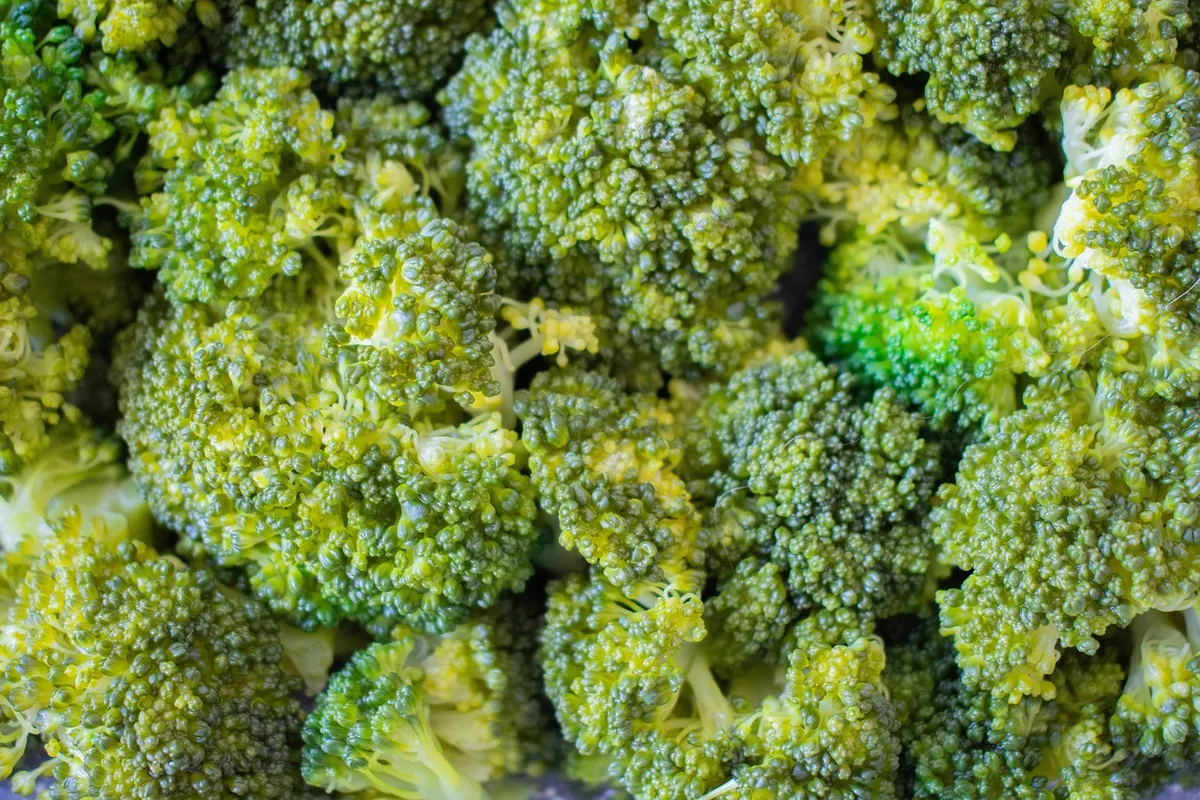
A cook stands in a kitchen, weighing different vegetarian meat substitutes on a scale. Understanding the difference between products is essential for maintaining a balanced diet.
The following table compares the nutritional content of two common vegetarian options per 100g, as provided by USDA FoodData Central.
| Nutrient | Vegetarian Fillets | Vegetarian Meatloaf or Patties |
|---|---|---|
| Protein | 23g | 21g |
| Fat | 18g | 9g |
| Calcium | 95mg | 29mg |
I noticed the significant difference in protein and calcium levels when comparing these two options during my own meal prep. These variations require careful planning to meet daily requirements.
Yet, comparisons may be misleading if caloric density is not taken into account. I will outline the comparison methods in the next part.
How do I successfully manage a plant-based diet? A person carefully reads labels on various packaged goods at a grocery store. Managing a diet requires attention to detail to ensure all nutritional needs are met.
- Select diverse protein sources, such as fillets or patties, to meet daily protein requirements. 2. Monitor micronutrient intake, such as the 2.4mcg of Vitamin B12 found in certain patties per 100g. 3. Check for specific dietary needs, such as the 6.1g of dietary fiber in fillets.
A final check ensures that the variety of foods selected covers all essential vitamins and minerals.
Still, the effectiveness of these steps can be limited if individual health needs are ignored. I will note that the third step is the most detailed.
Is semi-vegetarianism a valid dietary category?
A group of activists debates the definitions of various eating habits at a community forum. The terminology used to describe these lifestyles can often lead to confusion.
Semi-vegetarianism is contested by vegetarian groups, such as the Vegetarian Society, which states that vegetarianism excludes all animal flesh. This disagreement highlights the tension between strict adherence and more flexible approaches.
Certain conditions might influence how these labels are applied. For example, some may follow a diet that allows for occasional meat but is primarily plant-based.
However, its validity remains subjective depending on how strictly one defines dietary labels. I will discuss the classification criteria in the following sentence.
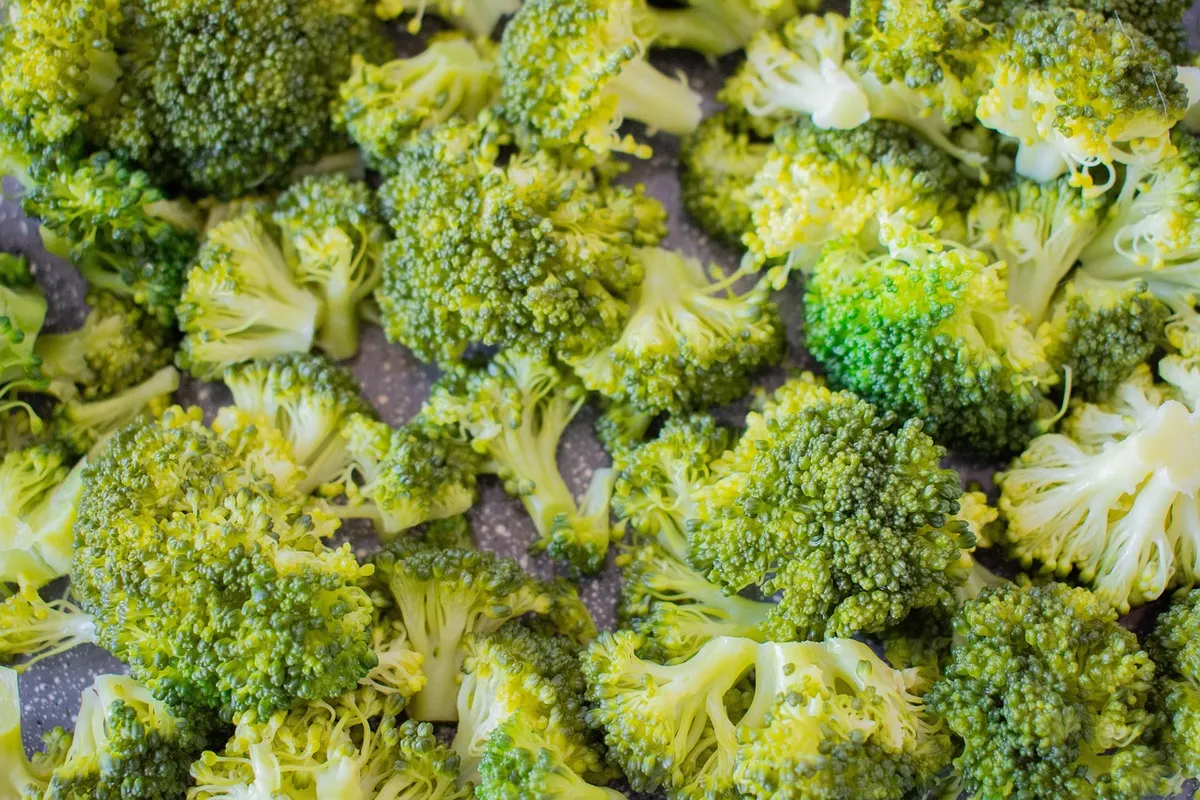
- Understanding the global shift toward plant-based diet trends requires looking at both religious traditions and modern linguistic shifts.
- Key takeaways:
- * Religious traditions significantly shape global vegetarianism rates.
- A Pew Research Center survey found that 44% of Hindus say they are vegetarian, and 39% restrict their consumption of flesh in some way.
The subject here is Vegan trend statistics.
The same subject is also called Plant based diet trends.
The same subject is also called Flexitarian diet data.
The same subject is also called Pescatarianism growth.
This part also covers Global veganism shift.
This part also covers Dietary trend analysis.
This part also covers Plant-based adoption rates.
Global veganism shift
Related
- Will a gluten-free, casein-free diet actually help me?
- Livestock impact environment: 26% of planet's surface guide
How does the shift toward plant-based eating relate to lifestyle choices?
The shift toward plant-based eating involves a spectrum of personal commitments regarding animal products. This spectrum ranges from those who adhere to strict religious mandates to those who adopt a more adaptable lifestyle.
- Individuals whose cultural background dictates a plant-forward diet maintain a high level of commitment to this way of eating. 2. Those embracing the flexitarian approach demonstrate a willingness to adjust intake based on personal preference or occasion. 3. The decision to incorporate plant-based options, whether in fillets or patties, is a conscious choice regarding the diet's overall profile.
But these shifts may not reflect permanent changes if they are merely temporary reactions to social trends. I will explain the connection to daily habits in the second sentence.
What conditions affect the viability of a plant-based diet?
The viability of any plant-based diet hinges on careful attention to nutritional balance and individual needs. Maintaining health while following this dietary path requires awareness of specific nutrient profiles.
- One must monitor micronutrient intake to ensure adequate consumption of all necessary vitamins and minerals. 2. The body's requirement for protein, fat, and calcium differs depending on the specific plant-based foods consumed. 3. Careful planning is needed to match the nutritional density of the chosen foods to the body's daily needs.
Disclaimer: This article is general information, not medical advice. Consult a qualified healthcare professional before taking any supplement or medication.







Comments 0