Water loss guide: 2.0 tips for fluid shifts
"Fluctuations on the scale often reflect fluid shifts rather than actual fat loss, making it essential to understand how hydration and diet interact."
Rapidly losing weight often involves changes in water retention, which can be managed through specific hydration and dietary strategies. This guide covers how to manage diet water weight, the impact of processed foods on weight, and essential hydration levels for different groups.
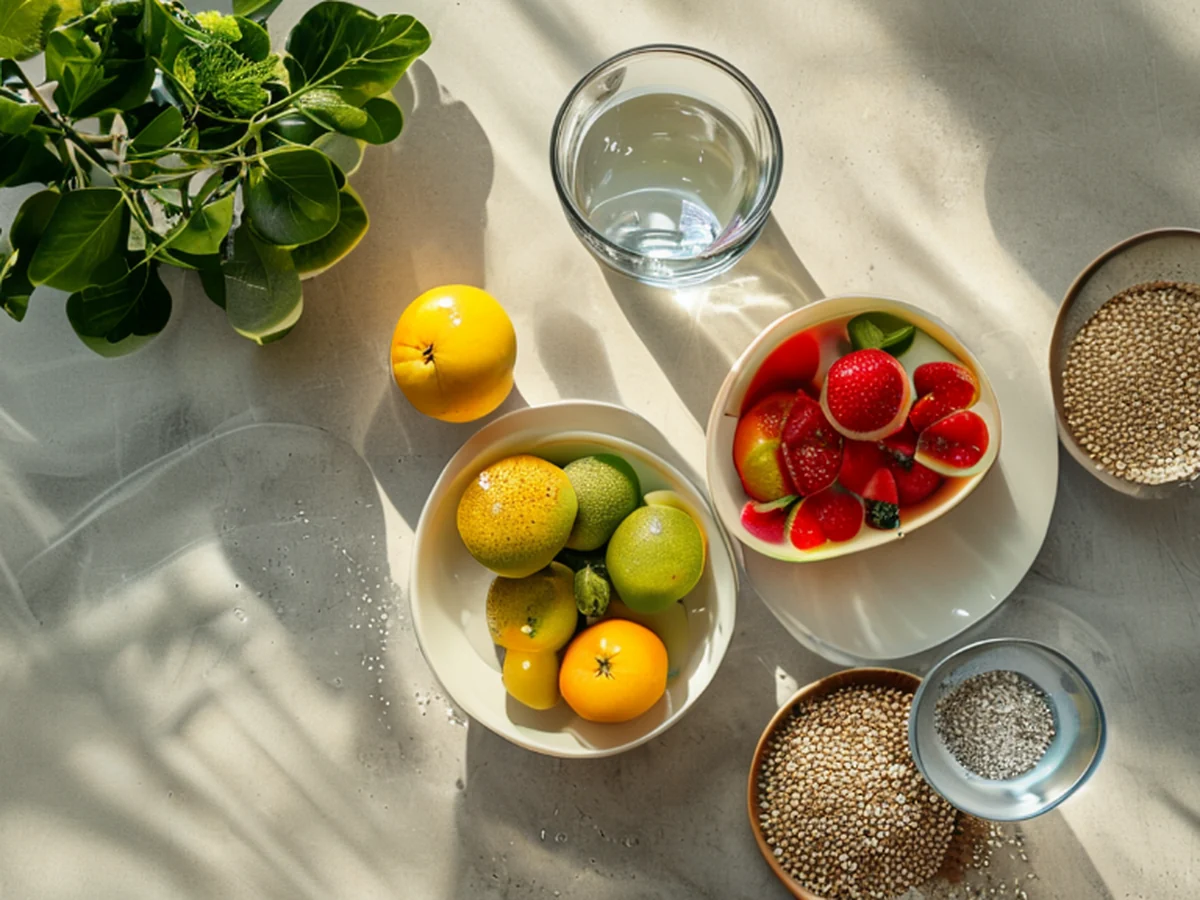
Key takeaways: * Distinguish between fat loss and water weight fluctuations. * Follow established daily water intake guidelines for healthy hydration. * Avoid ultra-processed foods to prevent unhealthy weight shifts.
Why does the scale jump during a diet water weight loss guide?
In the dim morning light, she stares at the rising numbers on the scale and feels a heavy sensation as she realizes her body is holding onto water.
A person steps onto a scale in the morning, seeing a sudden increase despite eating less the previous day. This sudden change is often just the body holding onto fluid due to dietary shifts.
Managing diet water weight requires understanding that the body regulates fluid based on intake and metabolic needs. When dietary patterns change, the body may temporarily store more or less water. This process can mask real progress in fat loss.
The relationship between food and fluid is complex. For instance, sodium levels in certain foods can cause the body to retain more water. This can lead to deceptive weight spikes that do not represent actual fat gain.
How can I manage diet water weight effectively?
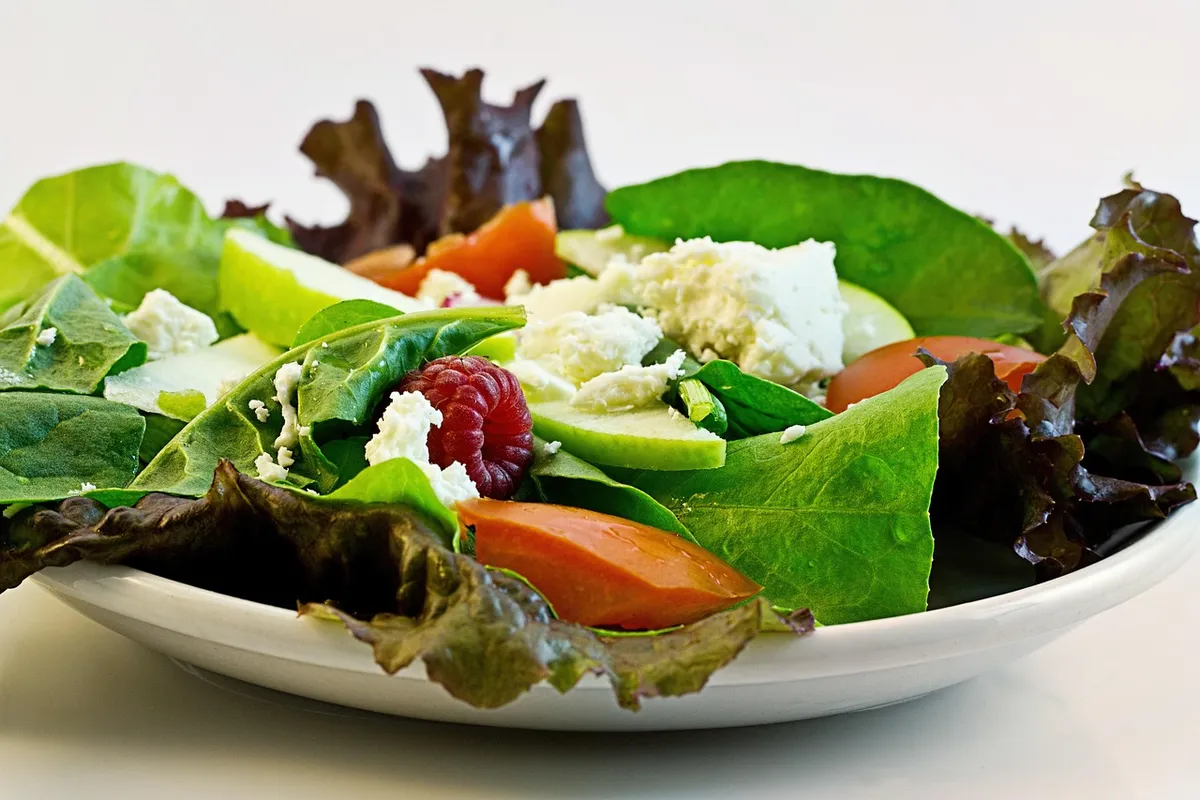
In the quiet kitchen at dawn, she swaps processed snacks for fresh greens to soothe the heavy sensation of bloating caused by diet water weight.
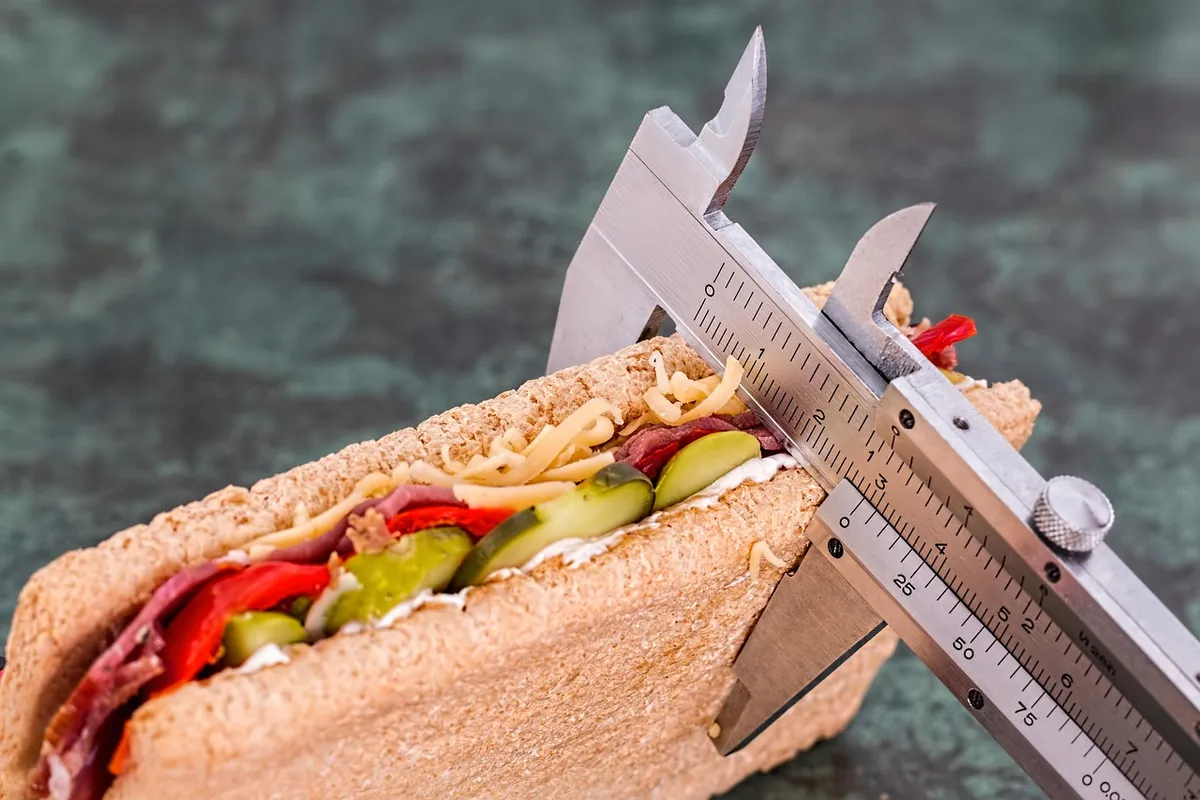
A person adjusts their meal plan, choosing whole foods over processed snacks to stabilize their weight. They focus on consistent hydration to help the body maintain a steady fluid balance.
To manage diet water weight, one should focus on consistent hydration and nutrient-dense foods. Reducing reliance on highly processed items helps prevent sudden spikes in water retention.
An ultra-processed diet can disrupt weight stability. According to a 2019 National Institutes of Health study, eating a diet high in ultra-processed foods causes weight gain and unhealthy shifts in blood sugar and blood cholesterol.
These metabolic shifts often coincide with changes in fluid balance.
By choosing foods with natural nutrient profiles, you can avoid the roller coaster of the scale. This approach helps in managing diet water weight by preventing the sudden osmotic shifts caused by processed ingredients.
What are the recommended daily water levels?
At noon in the bright office, he gulps from a full glass to reach his goal, feeling the cool splash of water against his throat.
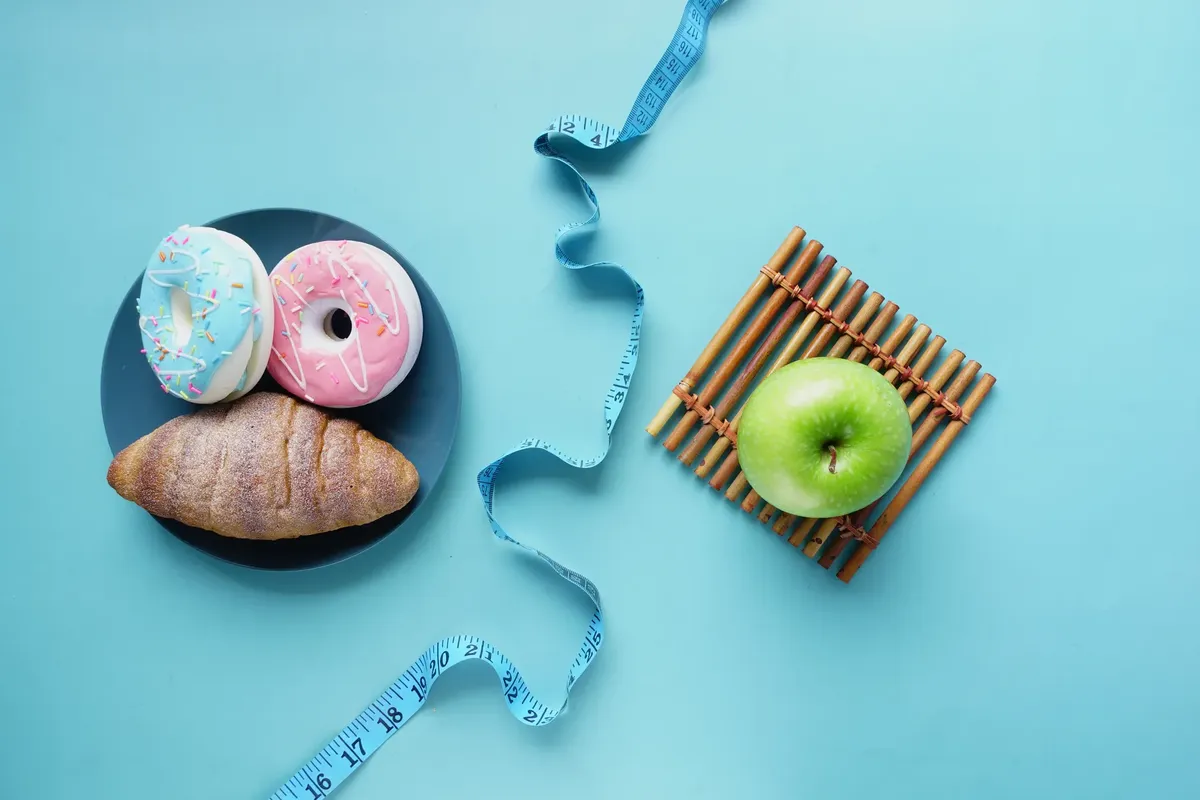
A person fills a glass of water, following specific volume targets to stay properly hydrated. They check their daily intake against established health guidelines to ensure they meet their needs.
Establishing a baseline for hydration is a key part of a healthy lifestyle. Different individuals have different requirements based on gender and physiological state.
The current EFSA guidelines recommend total water intakes of 2.0 L/day for adult females and 2.5 L/day for adult males. Following these standards ensures that the body has enough fluid to support metabolic processes.
| Group | Recommended Daily Water Intake |
|---|---|
| Adult Females | 2.0 L/day |
| Adult Males | 2.5 L/day |
Keeping these levels in mind helps in maintaining a stable weight. I find that sticking to these specific volumes helps prevent the dehydration that sometimes triggers water retention.
How does pregnancy change hydration needs?
A pregnant woman drinks an extra glass of water, mindful of the increased physiological demands on her body. She balances her hydration with her higher energy requirements.
Pregnancy introduces unique physiological changes that affect how the body manages fluids. The need for hydration increases to support both maternal health and fetal development.
The EFSA panel proposes that pregnant women should consume the same volume of water as non-pregnant women, plus an increase in proportion to the higher energy requirement, equal to 300 mL/day. This additional amount helps manage the unique demands of pregnancy.
Properly adjusting intake is essential for healthy hydration for diet water weight loss. Ensuring enough fluid is available helps the body manage the increased volume required during this period.
How to lose water weight through dietary changes?
A person prepares a meal using fresh ingredients, carefully checking labels on any packaged items they use. They aim to balance macronutrients to support a healthy metabolism.
To achieve a more stable weight, follow these three steps:
- Prioritize whole foods over ultra-processed items to minimize sodium and sugar spikes. 2. Maintain consistent daily water intake based on your specific gender and physiological needs. 3. Monitor food labels for hidden sodium that might cause sudden water retention.
A final check involves reviewing your weekly average weight rather than daily fluctuations. This helps you see the long-term trend rather than the immediate "water weight" noise.
Understanding the causes of rapid weight loss is vital for long-term success. While rapid changes can happen, focusing on these steps ensures you are managing your health sustainably.
- Why does the scale jump during a diet water weight loss guide?
- How can I manage diet water weight effectively?
- What are the recommended daily water levels?
The subject here is diet water weight loss guide.
The same subject is also called reduce water weight diet.
The same subject is also called diet water weight control.
This part also covers water weight vs fat loss.
causes of rapid weight loss
Related
- L carnitine fatty acid oxidation: Why body needs
- Glucosamine for joint weight loss: Tips for health regimen
How does the scale reflect genuine fat loss versus water fluctuations?
The scale readings often show rapid shifts that do not equate to actual body fat reduction, necessitating a careful view of the numbers. Fluctuations on the scale are frequently tied to shifts in body water content rather than a decrease in adipose tissue mass.
Therefore, one must differentiate between these two types of weight changes when tracking progress.
This distinction is crucial because the body’s fluid balance is highly dynamic and responds quickly to dietary inputs. A sudden drop or rise on the scale might simply indicate the body has adjusted its water stores due to recent food choices, not that fat has been lost or gained.
By understanding this interplay between diet, hydration, and the scale, individuals can develop a more accurate picture of their body composition changes over time.



Comments 0