Keto diet plan guide: Low carb diet plan for energy
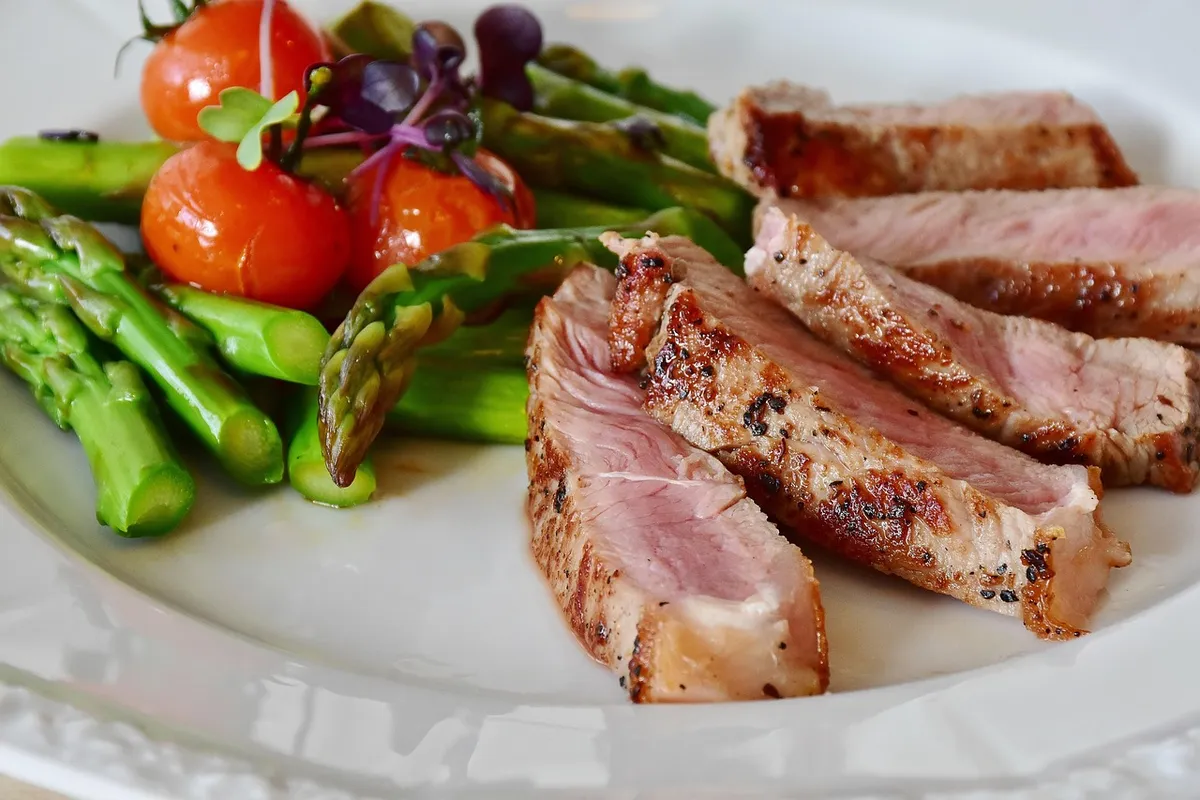
A single meal sits on a wooden table, consisting of savory proteins and leafy greens. This shift in eating habits defines a lifestyle focused on reducing sugar and starch to change how the body processes energy.
A Keto diet plan guide focuses on managing macronutrient ratios to transition the body into a different metabolic state. This guide covers essential definitions, dietary structures, and potential considerations for those beginning a low-carb journey.
What exactly is a low-carb diet?
At the kitchen table, I push away the bread basket to focus on my keto meal, feeling the weight of the change in my hands. A person sits at a kitchen table, carefully weighing portions of vegetables and meat to ensure accuracy. Understanding the specific boundaries of these eating patterns is the first step in any successful dietary change.
According to the American Academy of Family Physicians, one definition specifies low-carbohydrate diets as having less than 20% of calories from carbohydrates.
The American Academy of Family Physicians specifies low-carbohydrate diets as having less than 20% of calories from carbohydrates.
According to the National Lipid Association Nutrition and Lifestyle Task Force, low-carbohydrate diets are defined as containing less than 25% of calories from carbohydrates, while very low carbohydrate diets contain less than 10%.
These definitions help individuals categorize their specific nutritional approach.
| Diet Category | Carbohydrate Percentage |
|---|---|
| Low-carbohydrate | Less than 25% |
| Very low carbohydrate | Less than 10% |
A low-carb diet plan focuses on reducing carbohydrate intake to stabilize blood sugar levels.
How does a Keto diet for beginners work?
In the quiet morning light, I slide a creamy spoonful of avocado into my mouth to begin my keto journey.
A person stares at a digital scale, adjusting the amount of fat in a bowl to meet a specific target. The goal is to shift the body's fuel source through precise nutrient management.

If a person restricts carbohydrates for 3-4 days and stored glucose is fully depleted, blood levels of insulin decrease, and the body begins to use fat as its primary fuel.
A typical version of this keto diet for adults has about 50% of food by weight coming from fat, which accounts for roughly 70% of calories. This transition phase is a fundamental part of the metabolic shift.
- Reduce carbohydrate intake significantly.
- Increase healthy fat consumption.
- Maintain moderate protein levels.
What goes into a high-fat diet?
In the dim light of the kitchen, I drizzle thick oil over my plate, smelling the rich aroma of my keto dinner. A person prepares a meal, drizzling olive oil over a plate of vegetables to increase the fat content. Managing the balance between fat and protein is critical for maintaining the desired metabolic state.
A ketogenic low-carbohydrate high-fat diet (K-LCHF) involves an additional restriction where 60% to 80% of calories come from fat. The ketogenic diet is distinctive for its exceptionally high-fat content, typically 70% to 80%, though it maintains only a moderate intake of protein.
Following these specific ratios helps maintain the state where fat becomes the primary energy source.
In this order, the second component is the most significant.
What are the risks in a carb restrict diet?
A person looks at a nutrition label, concerned about the potential for nutrient deficiencies during a strict regimen. While the diet changes energy use, it requires careful planning to avoid health setbacks.

One limitation is that a very low-calorie, ketogenic diet of 5% carbohydrate was not associated with significant loss of fat mass compared to a non-specialized diet with the same calories, meaning there was no useful metabolic advantage.
For certain medical needs, such as pediatric epilepsy, specialists may order diets where 80% of the diet comes from fat by weight to prevent vitamin deficiency. Always consult a professional before making extreme changes.
Potential risks include electrolyte imbalances and sudden changes in energy levels.
How to implement a Keto diet plan guide safely?
A person organizes a weekly meal prep container, ensuring each meal has a balanced ratio of fats and proteins. Following a structured approach helps manage the transition and prevents common pitfalls.
- Calculate your daily caloric needs and target a specific carbohydrate percentage, such as the 5-10% often suggested in popular resources. 2. Increase fat intake to 70-80% of total daily calories to ensure the body has sufficient fuel during the transition. 3. Monitor protein intake to stay within the 10-20% range to prevent excessive gluconeogenesis.
I remember checking my own meal plans to ensure the fat-to-carb ratio was strictly maintained during the first week. After these steps, perform a final check to ensure you are meeting all micronutrient needs through whole foods.

Consulting a healthcare professional before making major dietary changes is essential for safety.
Wikipedia: Diet soft drink Based on the retained excerpt mentioning National Center: According to a study by the National Center for Health Statistics, about one-fifth of the US population ages 2 years and over consumed diet drinks on a given day in 2009‒2010, and 11% consumed 16 fluid oz.
The same subject is also called Low carb diet plan.
The same subject is also called High fat diet guide.
This part also covers Keto diet side effects.
This part also covers Keto diet success stories.
This part also covers Keto diet medical advice.
Keto diet side effects
Related
- Keto diet benefits and risks: Guide to metabolic shifts
- Keto diet ingredient guide: How to manage body composition
Disclaimer: This article is general information, not medical advice. Consult a qualified healthcare professional before taking any supplement or medication.






Comments 0