Saturated fat 10% Gene diet fat loss guide
"The scientific rationale for decreasing saturated fat in the diet has been and remains based on well-established effects of saturated fat to raise low-density lipoprotein (LDL) cholesterol, a leading cause of atherosclerosis."
Managing fat loss requires understanding how dietary choices interact with biological needs. This guide addresses how to balance macronutrients, the role of fat types in a healthy diet, and the importance of sustainable patterns over restrictive limits.
Key takeaways include maintaining saturated fat below 10% of total energy, focusing on whole dietary patterns, and understanding that individual health outcomes vary.
How do dietary fat limits affect health?
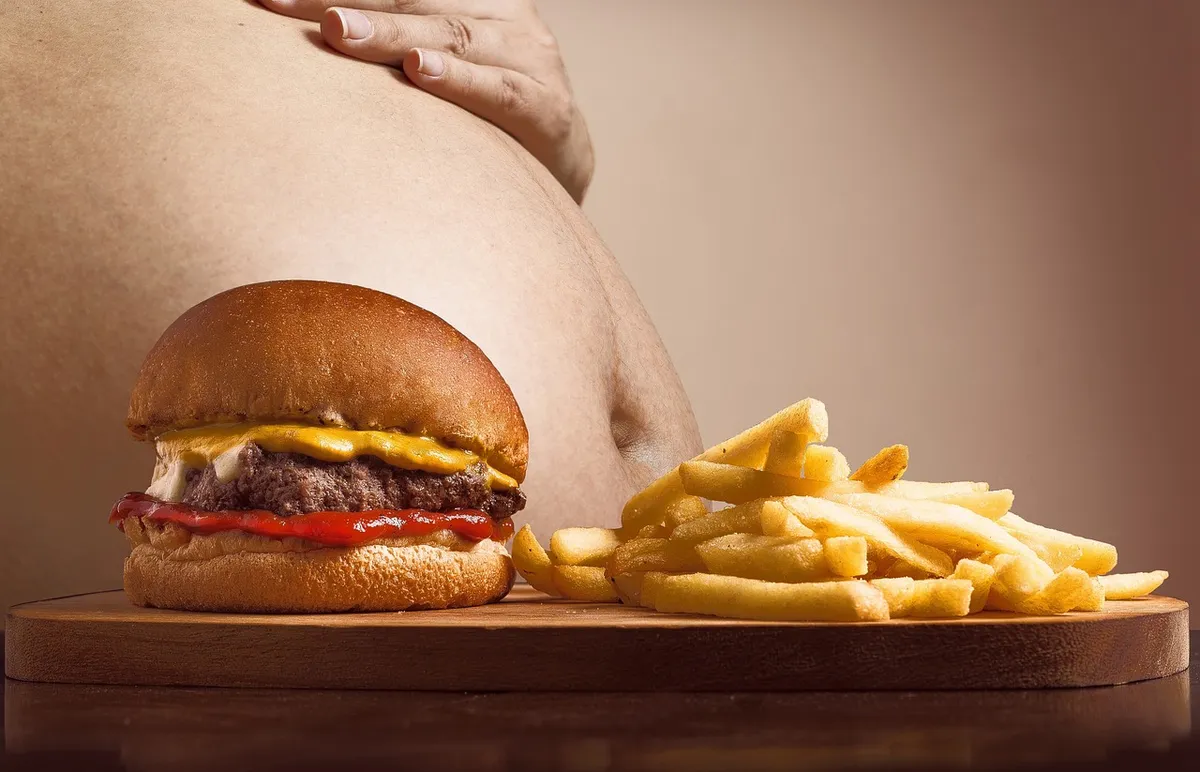
A person sits at a wooden table, examining a food label under a bright kitchen light. They look for the percentage of saturated fat to ensure it aligns with global health standards.
The British Nutrition Foundation has stated that based on the totality of available evidence, saturated fatty acids should make up no more than 10% of total dietary energy. Maintaining this balance is a core component of a gene diet fat loss guide.
If an individual is already consuming less than 10%, they should not increase that level of intake.
A 2020 recommendation from the World Health Organization suggested lowering dietary intake of saturated fats to less than 10% of total energy consumption while increasing the intake of unsaturated fats.
This shift aims to promote general health and reduce risks associated with cardiovascular diseases. Following these guidelines helps establish a healthy eating standard for long-term wellness.
In this section, the second point is the most detailed.
What is the best way to approach dietary patterns? Gene diet fat loss guide
At dawn, I sit at my cluttered desk and scan through thick journals to find a pattern that is not saturated with conflicting advice.
A researcher reviews several thick reports, marking passages about cholesterol and caloric limits with a blue pen. The focus remains on the big picture rather than isolated numbers.
According to the Association and the American College of, a 2013 report by the American Heart Association and the American College of Cardiology recommended focusing on healthy dietary patterns rather than specific cholesterol limits, as they are hard for clinicians and consumers to implement.
A 2013 report by the American Heart Association and the American College of Cardiology recommended focusing on healthy dietary patterns rather than specific cholesterol limits. They noted that specific limits can be difficult for clinicians and consumers to implement effectively.
This approach emphasizes a genetics diet plan that favors consistency over rigid, narrow targets.
Instead of chasing specific numbers, the goal is to build a sustainable weight loss plan through diverse food choices. This method ensures that nutritional needs are met without the stress of constant micro-management.
Focusing on patterns rather than single nutrients provides a more realistic fat loss nutrition guide for most people.
- Prioritize whole food sources over processed alternatives.
- Focus on nutrient density rather than just caloric content.
- Establish a sustainable balance that fits your lifestyle.
How can I manage fat intake with specific foods?
Standing in the bright kitchen, I carefully rinse the oil from a heavy pan to ensure the surface is no longer saturated.
A cook carefully measures out a small spoonful of low-calorie mayonnaise to spread on a piece of toast. They check the sodium and fat content against their daily goals.
When using processed items, checking the specific nutrient density is essential. For instance, low-sodium or low-calorie diet mayonnaise contains approximately 19.2g of fat and 110mg of sodium per 100g. Such data helps in building a customized nutrition for body type strategy.
To manage intake effectively, follow these steps:
- Compare the saturated fat content of your current meals against the 10% energy limit. 2. Substitute high-saturated fat sources with unsaturated fats as recommended by global health bodies. 3. Prioritize whole food patterns to maintain nutritional balance.
After completing these steps, perform a final check to ensure your total daily energy intake remains within your target range.
In this sequence, the second step is the longest.
What are the risks of obesity in specific populations?
A doctor looks over a patient's chart, noting physiological indicators and reproductive health history. The conversation is professional and focused on long-term health outcomes.
It is important to recognize that health impacts can vary significantly between individuals. For example, research has shown that obese women may experience reduced fecundity even when eumenorrheic and demonstrate poorer outcomes with the use of in-vitro fertilization.
This highlights the importance of maintaining a healthy weight for various biological functions.
Health considerations are not one-size-fits-all, as different physiological conditions change how weight management should be approached. A sustainable weight loss plan must account for these specific health realities.
How do calorie-dense foods compare to lighter options?
A person pours a small amount of lemon-flavored diet tea into a glass, noting the minimal caloric content. They compare it to a more substantial snack to plan their next meal.
Comparing different food items helps in understanding how much energy they contribute to the diet. For comparison, here is the nutritional breakdown of two different items:
| Item | Fat (per 100g) | Energy (per 100g) |
|---|---|---|
| Low calorie/diet mayonnaise | 19.2g | 231kcal |
| Diet lemon tea | 0g | 2kcal |

I noticed how much the energy density changes between these two items during my own meal planning. Using such comparisons is vital for anyone following a gene diet fat loss guide to manage total energy intake.
What are the limitations of these guidelines?
A student reads a textbook, noting that environmental and biological factors can influence how nutritional advice is applied. They consider how different lifestyles affect the effectiveness of a plan.
While these guidelines provide a solid foundation, they may not apply to everyone in every situation. For example, in developing countries where energy intake may be inadequate, individuals may have high energy expenditure and low body fat stores (BMI <18.5 kg/m2).
In such cases, the standard recommendation to limit fats might not be appropriate.
The same subject is also called Dietary fiber intake.
Related
Disclaimer: This article is general information, not medical advice. Consult a qualified healthcare professional before taking any supplement or medication.



Comments 0