Healthy diet nutrients: Guide to whole food importance
"A healthy diet is not just about what we add to our plates, but often about the careful management of what we choose to exclude."
* Reduce intake of salt, saturated fats, and ultra-processed foods. * Focus on dietary diversity to meet nutritional needs.
What defines a healthy diet?
A person sits at a wooden table, looking at a colorful plate of vegetables and grains.
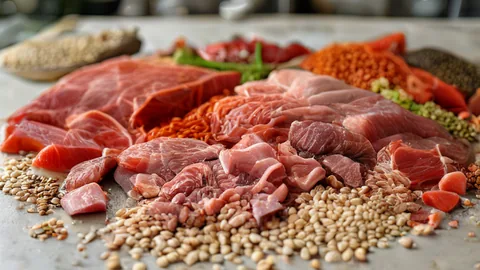
The American Society for Preventive Cardiology defined a healthful dietary pattern in 2022 as a diet consisting predominantly of fruits, vegetables, legumes, nuts, seeds, plant protein and fatty fish with reduced consumption of saturated fat, salt and ultra-processed food.
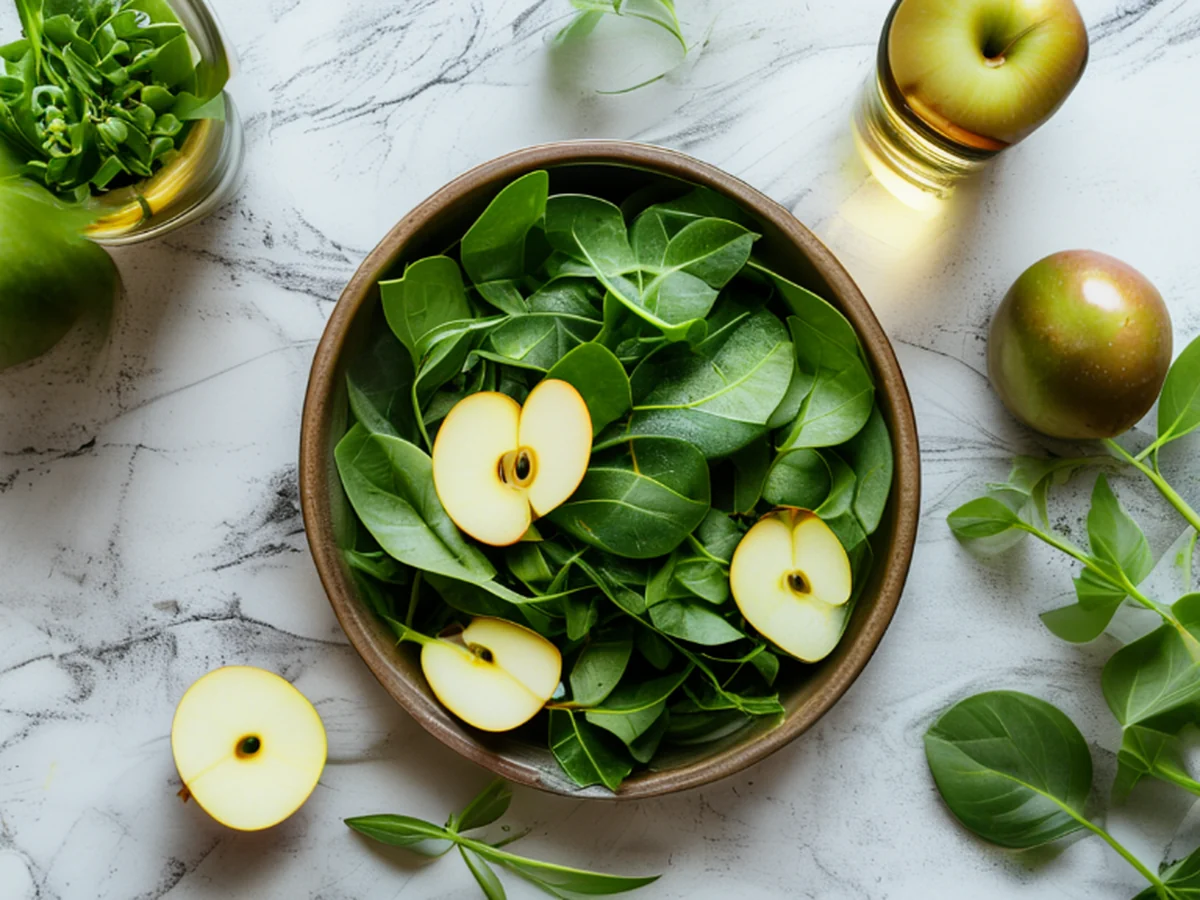
This definition emphasizes whole food importance over processed alternatives. By focusing on these specific food groups, individuals can better manage their long-term health through natural nutrient density. An essential nutrients guide begins with selecting these foundational components.
The World Health Organization has estimated that 2.7 million deaths each year are attributable to a diet low in fruit and vegetables during the 21st century. This statistic highlights the critical role of plant-based foods in mortality prevention.
Achieving dietary diversity remains a global challenge.
However, these general principles may not apply to individuals with specific medical conditions requiring specialized nutrition. I will begin by defining these core concepts.
How do we manage calorie and fat intake? Healthy diet nutrients
A person measures out a portion of oil for a pan, considering the energy density of the meal. One common strategy involves managing the ratio of macronutrients to maintain a healthy weight.
To manage fat intake effectively, consider these guidelines: 1. Limit total fat intake to no more than 30% of total caloric intake. 2. Prefer unsaturated fats over saturated fats. 3. Minimize the intake of simple sugars to less than 10% of total caloric intake.
A good eating plan balances these needs without relying on heavy additives. One person might find that adjusting these ratios helps them feel more satisfied. A diet composition needs assessment helps in making these adjustments regularly.
| Nutrient | Chicken and Rice Soup (per 100g) | Chicken Noodle Soup (per 100g) |
|---|---|---|
| Protein | 2.53g | 3.69g |
| Sodium | 181mg | 195mg |
I compared these two canned soup options to see how protein and sodium levels varied between similar products.
Nevertheless, these strategies may be less effective during periods of extreme physical activity. In this section, I focus on the balance between energy and fat consumption.
How can we reduce processed food?

A person reads a nutrition label on a soup can, checking the sodium and carbohydrate counts. Reducing processed food is vital for heart health and weight management. For example, comparing the two soup varieties shows different levels of protein and sodium per 100g.
The American Heart Association, World Cancer Research Fund, and American Institute for Cancer Research recommend a diet that consists mostly of unprocessed plant foods, with emphasis on a wide range of whole grains, legumes, and non-starchy vegetables and fruits.
This approach focuses on nutrient-dense food over empty calories.
To implement this, one should: 1. Choose whole grains over refined grains. 2. Opt for fresh or frozen vegetables instead of canned versions with high salt. 3. Swap sugary beverages for water or unsweetened alternatives.
A final check ensures that the reduction of processed foods does not lead to an accidental deficit in essential minerals. For instance, the chicken and rice soup contains 15mg of calcium per 100g, while the chicken noodle soup contains 8mg.
Yet, these methods might be difficult to maintain in environments where fresh ingredients are unavailable. I address the practical steps for minimizing processed food intake here.
What are the global challenges to healthy eating?
A person looks at a news report showing global food distribution maps. Economic factors heavily influence the ability to access a healthy diet. The UN Food and Agriculture Organization estimates that in 2023 40% of the world population, 2.8 billion couldn't afford a healthy diet.
According to the World Health Organization, it has been estimated that 2.7 million deaths each year are attributable to a diet low in fruit and vegetables during the 21st century.
According to the Food and Agriculture Organization, it is estimated that 2.8 billion people, or 40% of the world population, could not afford a healthy diet in 2023.
This reality makes nutrient intake basics more difficult for billions of people. When food is expensive, many turn to cheaper, calorie-dense, but nutrient-poor options. This creates a gap between nutritional needs and available resources.
The ability to afford a healthy diet is not universal. Because of these economic barriers, many populations struggle to meet the requirements for a balanced diet. An essential nutrients guide must account for these global disparities in food security.

Still, these challenges vary significantly depending on the specific socioeconomic context of a region. I outline the primary obstacles facing global nutrition in this part.
- A healthy diet requires a balance of nutrient-dense whole foods while limiting saturated fats, salt, and ultra-processed items.
- This guide explores essential nutrient-dense food choices, provides a comparison of canned soup nutritional profiles, and outlines how to establish a sustainable eating pattern.
- Key takeaways:
- * Prioritize plant proteins, legumes, nuts, and fatty fish.
The subject here is Healthy diet nutrients.
Whole food importance
Related
- Vegan trend statistics: Guide to plant-based eating
- Will a gluten-free, casein-free diet actually help me?
How does dietary diversity support a healthy diet?
- Dietary diversity ensures that the body receives a wide array of necessary compounds. 2. Focusing on varied food groups helps meet all required nutritional benchmarks. 3. This contrasts with relying on a narrow selection of foods for sustenance.
The American Society for Preventive Cardiology stresses that a healthful dietary pattern requires this breadth of intake. This pattern integrates fruits, vegetables, legumes, nuts, seeds, plant protein, and fatty fish. Such a comprehensive intake supports long-term health maintenance.
However, increasing variety alone does not guarantee nutritional adequacy if the food choices are poor. I explain the relationship between variety and health in this section.
What are the primary cautions regarding fat and salt?
- Saturated fats must be consumed in moderation, ideally under 30% of total calories. 2. Salt intake should also be managed carefully, as seen in the sodium levels of the soups. 3. Simple sugars should not exceed 10% of the total caloric intake for optimal health.
The comparison of the two soups illustrates the varying sodium content per portion. While the protein levels differ, the sodium amounts per 100g also present a caution regarding high salt consumption. A mindful approach to these components is necessary for a healthy diet.
Nonetheless, these cautions may change depending on an individual's unique physiological needs. I conclude by highlighting the risks associated with excessive fat and salt intake.
Disclaimer: This article is general information, not medical advice. Consult a qualified healthcare professional before taking any supplement or medication.






Comments 0