L carnitine fatty acid oxidation: Why body needs
"The journey of energy production begins deep within the cell, where the fuel must be transported to the engines of life."
L-carnitine serves as a critical shuttle, moving fatty acids into the mitochondria to be burned for energy. This biological process is essential for anyone looking to optimize how the body utilizes stored fat.
This article explores the mechanics of L-carnitine fatty acid oxidation, the timing for carnitine intake, and the underlying carnitine energy metabolism.
How does L-carnitine fatty acid oxidation work?
A laboratory technician prepares a chemical solution, focusing on the precise movement of molecules across a membrane. In the microscopic world of the cell, L-carnitine acts as the essential transport vehicle.

It picks up long-chain fatty acids and carries them into the mitochondria, which are the powerhouses of the cell.
The primary role of this molecule is to facilitate the conversion of stored fats into usable cellular energy. Without this transport mechanism, the fatty acids would remain stuck outside the mitochondrial matrix, unable to undergo the breakdown process required for ATP production.
This specific function is known as L-carnitine fatty acid oxidation.
By managing this movement, the body ensures that lipids are available for fuel during periods of energy demand. This process is a fundamental component of how the body manages its energy stores.
Efficiently moving these molecules helps maintain a steady supply of energy for various physiological functions.
- L-carnitine transports long-chain fatty acids across the mitochondrial membrane.
- Once inside the mitochondria, these fatty acids undergo beta-oxidation.
- This process ultimately produces ATP to fuel cellular functions.
What exactly is carnitine energy metabolism? An athlete prepares for a morning run, checking their physiological readiness before starting the workout. Understanding the relationship between nutrients and movement requires looking at the broader cycle of energy production.
This complex system is often referred to as carnitine energy metabolism.
The cycle involves the constant movement of fatty acids into the mitochondria for beta-oxidation. Once inside, these acids are broken down to produce energy through the citric acid cycle.
L-carnitine is the indispensable link that prevents the buildup of fats in the cytoplasm while ensuring the mitochondria receive their fuel.
This metabolic pathway is vital for maintaining energy balance between different fuel sources. When the body requires more energy, the rate of this transport can shift to meet the demand. This biological efficiency allows for a more seamless transition between using carbohydrates and using fats.

In this sequence, the second step is the most critical for energy production.
How does fat actually turn into energy? A hiker climbs a steep ridge, feeling the metabolic demand of the incline on their muscles. The goal of many nutritional strategies is to optimize the natural way the body handles fuel. This biological transformation is essentially the fat to energy conversion process.
The efficiency of this conversion depends heavily on the availability of transport molecules like carnitine. When fatty acids are successfully transported into the mitochondria, they undergo a series of chemical reactions that release energy.
This transformation is what allows the body to use adipose tissue as a sustainable fuel source.
This process is not instantaneous but relies on the steady-state availability of transport substrates. By supporting the transport mechanism, the body can better manage its internal fuel reserves. It is a highly regulated system designed to maintain homeostasis during varying levels of activity.
What is the best timing for carnitine intake?
A person sits at a kitchen table, deciding when to take their daily supplements before a scheduled activity. For many, the question of when to supplement is tied to the body's natural energy cycles.
Determining the optimal timing for carnitine intake often involves aligning it with periods of metabolic demand.
Some people choose to take it before exercise to ensure that the transport molecules are available when the body begins to tap into fat stores. Others might integrate it into a regular daily routine to maintain consistent levels of the shuttle molecule.
The goal is to have sufficient carnitine present when the demand for fatty acid oxidation is highest.

Consistency in timing can help stabilize the availability of these transport vehicles. While individual needs vary based on activity levels, aligning intake with metabolic needs is a common strategy. This approach aims to maximize the efficiency of the transport process during peak energy usage.
How can you support carnitine levels through diet?
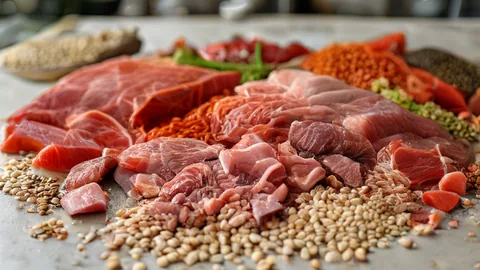
A chef selects fresh ingredients from a local market, preparing a balanced meal for the family. While supplements are an option, much of our metabolic health is built on the foundation of daily nutrition. You can influence your metabolic environment by choosing foods that support natural production.
According to the Association position (2019) is that omega−3, the American Heart Association position (2019) is that omega−3 fatty acid supplementation at a dose of 4 grams per day may be effective for reducing levels of blood triglycerides as a risk factor for cardiovascular diseases.
Based on data from USDA FoodData Central, dried acid whey contains 11.7g of protein and 339kcal of energy per 100g.
Natural sources of carnitine can be integrated into a variety of meal plans to support the body's internal systems. While the body can synthesize some carnitine, dietary intake provides an additional source for the transport process.
This helps ensure that the mitochondrial shuttle remains operational.
| Nutrient Source | Primary Role in Metabolism |
|---|---|
| Dietary Carnitine | Provides raw material for fatty acid transport |
| Mitochondrial Substrates | Enables the breakdown of fatty acids for ATP |
I have observed that maintaining a balanced diet provides a more stable foundation for energy than relying solely on isolated supplements. This holistic view ensures that the body has the necessary co-factors for the entire energy-producing pathway.
What are the limitations of carnitine supplementation?
A researcher reviews data in a quiet office, noting the boundaries of current nutritional science. While the role of carnitine is clear, it is not a magic solution for all metabolic concerns.

A significant limitation is that carnitine cannot bypass the need for an active metabolic environment or sufficient oxygen.
The process of fatty acid oxidation requires more than just the transport molecule; it also requires the presence of other enzymes and oxygen to complete the energy-producing cycle. If these other elements are missing, the presence of carnitine alone will not result in increased energy production.
Furthermore, the efficiency of the process is limited by the body's overall metabolic rate and hormonal balance. Simply increasing the amount of carnitine does not necessarily accelerate the rate of fat use if the body is not in a state of energy deficit.
The effectiveness is always tied to the broader physiological context.
Wikipedia: Omega−3 fatty acid Based on the retained excerpt mentioning EPA: Humans can convert short-chain omega−3 fatty acids to long-chain forms (EPA, DHA) with an efficiency below 5%.
Related







Comments 0