Keto diet starting guide: Low carb diet choice why
"The definition of a low-carbohydrate diet can vary significantly depending on which health organization you consult."
A keto diet starting guide begins with understanding the specific carbohydrate thresholds that define different nutritional strategies. This guide covers the varying definitions of low-carb eating, the structural phases of weight management, and the potential limitations of extreme restriction.
Key takeaways: * Definitions of low-carbohydrate diets range from 20% to 25% of total calories. * Very low carbohydrate diets are often defined as containing less than 10% of calories from carbs. * Nutritional strategies vary between induction phases and long-term maintenance.
What exactly is a low-carb diet? A person sits at a kitchen table, reviewing nutritional labels to determine if a food fits within their specific dietary goals. Understanding the baseline is the first step in any keto diet starting guide.
According to the American Academy of Family Physicians, one definition specifies low-carbohydrate diets as having less than 20% of calories from carbohydrates.
The American Academy of Family Physicians specifies low-carbohydrate diets as having less than 20% of calories from carbohydrates.
According to the National Lipid Association Nutrition and Lifestyle Task Force, low-carbohydrate diets are those containing less than 25% of calories from carbohydrates, while very low carbohydrate diets are those containing less than 10%.
These different thresholds can change how a person selects their daily meals.
A 2016 review of low-carbohydrate diets classified diets with 50 g of carbohydrate per day (less than 10% of total calories) as "very low" and diets with 40% of calories from carbohydrates as "mild" low-carbohydrate diets.
Different classifications help individuals decide which level of restriction suits their lifestyle.
A low-carbohydrate diet is characterized by a significant reduction in sugar and starch intake to shift the body's primary fuel source.
How do you manage dietary phases? Keto diet starting guide
In the quiet morning light, he carefully measured out the ingredients to navigate the shifting phases of his keto plan.
A person prepares a meal, carefully measuring ingredients to transition between different stages of a nutritional plan. Using a fat diet usage guide requires understanding how to move through various phases of restriction and reintroduction.
The core of the diet takes an active role over 30 days and involves strict rules. After the 30 days are up, you can begin to reintroduce certain foods while paying attention to how they make you feel. This transition is a vital part of a sustainable low carb diet choice.
The phases of a structured plan might look like this: 1. Induction Phase: Consuming no more than 20g of carbohydrates a day. 2. Maintenance Adjustment: Aiming for around 20-30g of additional carbs per day each week. 3.
Continuing Weight Loss: Increasing carbohydrate intake by around 10g per week until weight loss slows down.
I once tried adjusting these increments weekly to see how my energy levels shifted during a transition period.
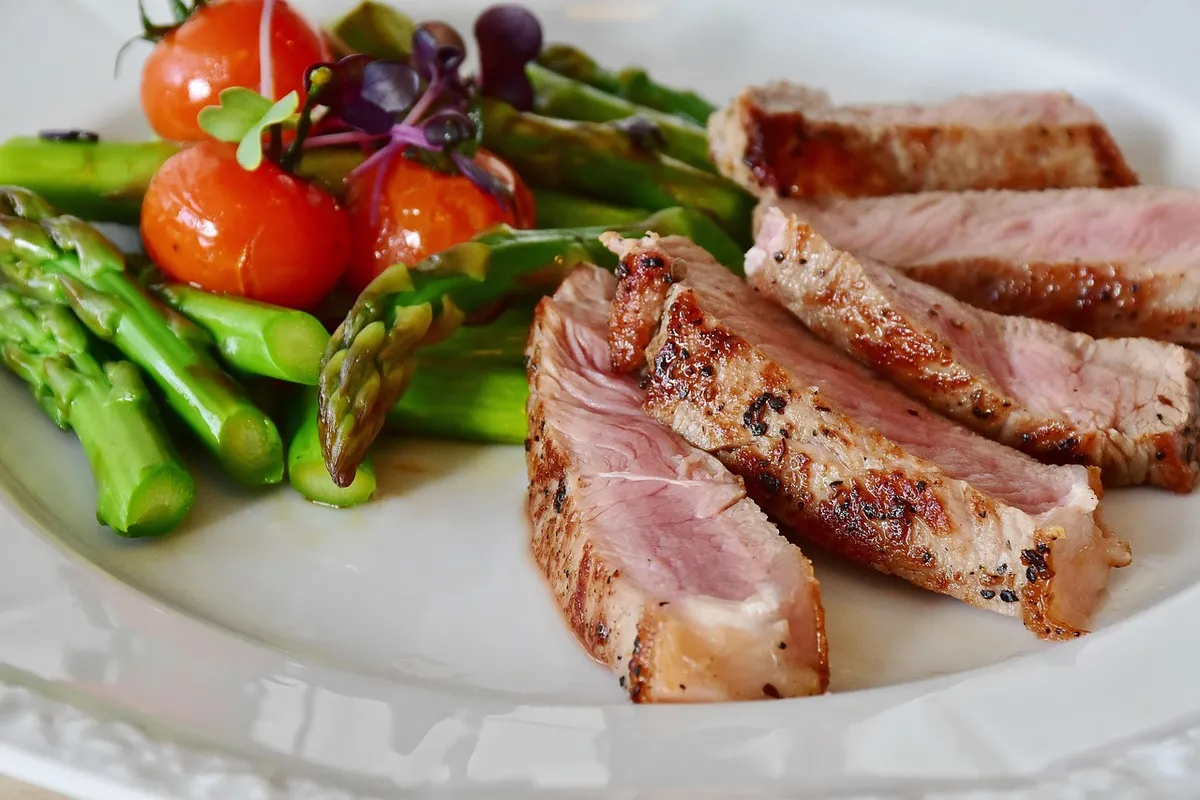
- Transition into a state of nutritional ketosis by reducing carbohydrate intake.
- Maintain stable energy levels through consistent macronutrient monitoring.
- Reintroduce specific foods to find a sustainable maintenance level.
What should my macro ratios be? A person balances a plate of food, ensuring the proportions of protein, fat, and carbohydrates meet their specific targets. A keto diet success often depends on how these ratios are adjusted for the individual.
On a ketogenic diet, you typically consume 70-80% of calories from fat, 15-20% from protein, and only 5-10% from carbohydrates, which usually means 20-50 grams of carbs daily. These numbers represent a much stricter approach than standard low-carb versions.
| Diet Type | Typical Carbohydrate Percentage |
|---|---|
| Low-Carbohydrate Diet | Less than 25% |
| Very Low Carbohydrate Diet | Less than 10% |
The ratio of each macronutrient is very personalized, but as a general rule, aim for 30% protein, 30% fat, and 40% carbohydrates. This provides a baseline for those not following a strict ketogenic protocol.
In this sequence, the second step is the longest.
How is the diet applied to specific conditions?
A specialist discusses nutritional protocols with a family, focusing on how specific dietary structures can address medical needs. While many use these methods for general wellness, certain clinical applications exist.
In clinical settings, such as managing severe epilepsy, specialized protocols are used. Most epilepsy specialists order children to eat 80% of the diet from fat by weight (90% of calories), plus carbohydrate-free vitamins and minerals to prevent vitamin deficiency.
This illustrates how extreme carbohydrate restriction is used in specific medical contexts.
In 1994, Hollywood producer Jim Abrahams, whose son's severe epilepsy was effectively controlled by the diet, created the Charlie Foundation for Ketogenic Therapies to further promote diet therapy. This foundation highlights the history of dietary intervention.
Individuals may adjust carbohydrate levels to manage blood glucose stability or weight management goals.
What are the limitations of these diets?
A person examines a food diary, noting how certain restrictions might impact their overall health or progress. Understanding the potential pitfalls is essential for a fat loss diet plan.

A significant limitation is that a very low-calorie, ketogenic diet (of 5% carbohydrate) was not associated with significant loss of fat mass compared to a non-specialized diet with the same calories. This finding suggests there was no useful metabolic advantage in that specific comparison.
It is also important to note that some famous dietary trends may not be healthy. For example, the British Dietetic Association named the Pioppi diet as one of the "top 5 worst celeb diets to avoid in 2018."
Restrictive eating patterns can lead to micronutrient deficiencies if variety is not maintained.
The subject here is Keto diet starting guide.
This part also covers Keto diet supplements.
This part also covers Keto diet exercise.
This part also covers Sustainable keto diet.
Keto diet supplements
Related




Comments 0