The key to successful dieting is creating a "sustainable

Everyone who wants to lose weight hopes for "quick results" and a "sustainable outcome without rebound." However, many people initially succeed in their diets, but after 2-3 months, they experience the "yo-yo effect," returning to their original weight.
Many people attribute this to a "lack of willpower" or "failure of self-control," but the truth is that there's a more important issue at play: they haven't created a sustainable routine.
The root cause of the yo-yo effect lies not in "effective dieting" but in the lack of sustainable lifestyle habits. This article will explain how to create and maintain a "sustainable routine," which is the key to successful weight loss, using practical methods.
1. What is a Sustainable Routine?
A sustainable routine isn't just about short-term actions like "exercising for 30 minutes every day." It refers to sustainable and repeatable lifestyle patterns that can be integrated into your daily life.
For example, "walking 1 km every day" is an action that can be done without much effort and will help with weight management and health maintenance over time.
In contrast, "exercising for 1 hour every day" might seem manageable at first, but many people give up after a couple of weeks. This is because excessive demands or actions that involve inconvenience are unlikely to last.
The key to a sustainable routine is the balance between "appropriate challenge" and "small achievements." If it's too easy, it lacks meaning; if it's too difficult, you'll get discouraged.
Therefore, to succeed in dieting, you need repeated small actions that can be consistently maintained from start to finish.
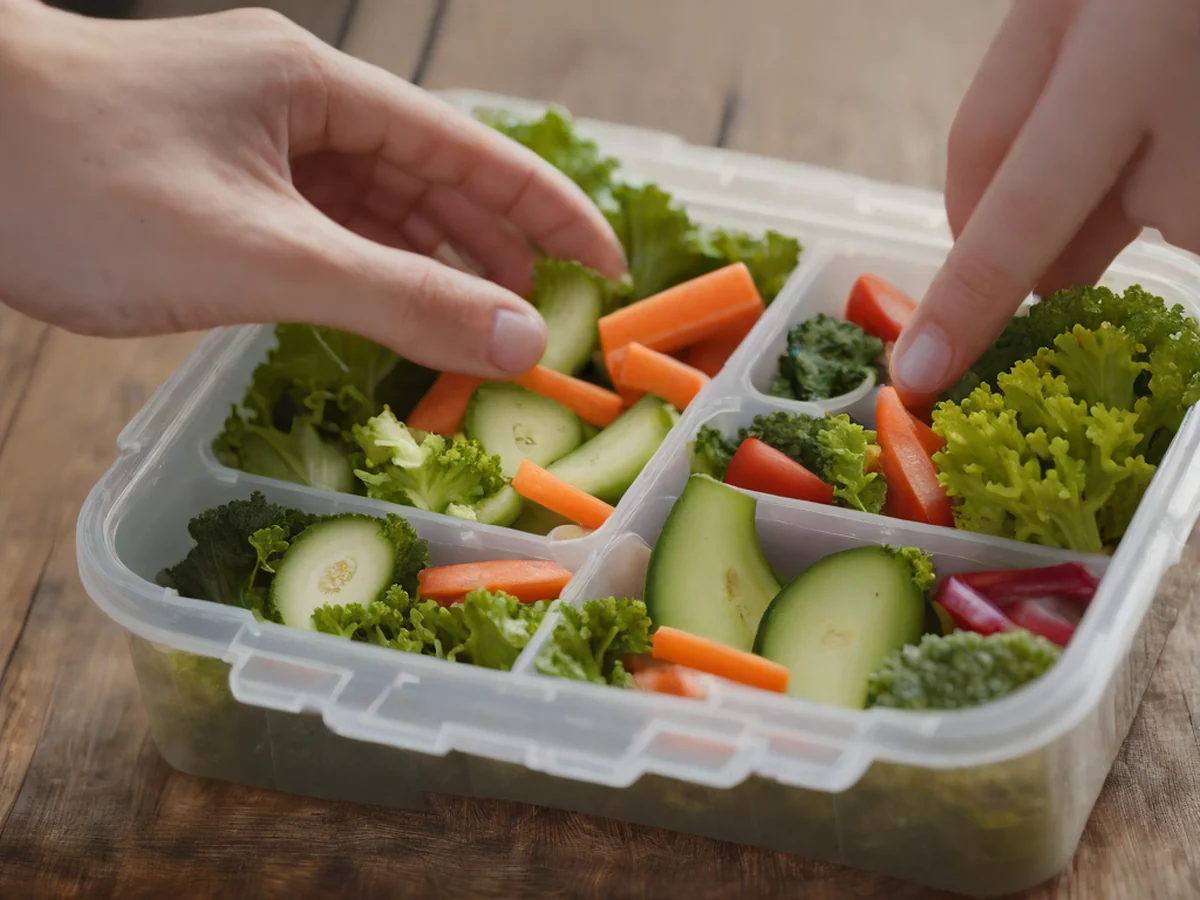
For example, adding a serving of vegetables to every meal. This is part of dietary adjustments, but it creates an awareness that "I am making efforts for my health" and provides a small sense of accomplishment every day.
These small routines, when accumulated, eventually lead to weight loss and improved health.
2. Three Criteria for Judging "Sustainability"
To create a sustainable routine, you need to clearly define the criteria by which to evaluate tasks. Here are three key criteria:
- Low time and energy burden: Even if you exercise for 30 minutes a day, it becomes difficult to do if you have to wake up at 5:30 am or if there's no gym near your home. Conversely, eating two eggs instead of a McDonald's breakfast in the morning is almost effortless. Therefore, routines should be actions that require minimal time and energy.
- Ability to seamlessly integrate into daily life: For example, drinking a glass of water immediately after waking up is easy to make a habit because it's part of the morning routine. In contrast, "taking a 10-minute walk after each meal" can often be disrupted by busy schedules. Therefore, routines should be connected to moments that naturally occur in daily life.
- Ability to achieve small accomplishments: The core of a routine is the "motivation to continue." For example, doing 100 squats every day will allow you to feel your legs getting stronger after a few weeks. This small sense of accomplishment is what keeps you going with the routine. Without accomplishments, self-reproach builds up ("I can't lose weight"), eventually leading to giving up.

By designing routines based on these three criteria, you're creating habits that lead to long-term improvements in quality of life, rather than just short-term "dieting."
According to UNESCO's 2024 report, global health trends show that nearly 35% of adults struggle with inconsistent wellness habits. Research suggests that maintaining small routines can prevent the weight fluctuations seen in 2023 studies.
3. Practical Methods for Creating a "Sustainable Routine"
Here are three practical routines you can start implementing right away:
- Start every morning with a glass of water: Hydration is closely related to fat metabolism. Drinking 1-2 liters of water a day can help with weight management. The key is to avoid treating "drinking water" as just another task. To make it a routine, drink a glass of water within 10 minutes of waking up. By classifying this as an "achievement," you'll create a sense that "I am taking care of my health" every morning, even with this simple action.
- Combine "walking + music" for 30 minutes a day: The word "exercise" can be intimidating to people who dislike working out. However, "walking" is an activity that anyone can do, and adding music makes it more enjoyable. For example, create a 30-minute block during your lunch break to walk and listen to music. This becomes just another part of your daily routine, without the need to consciously create it. It's important to have a mindset of "activity" rather than "exercise."

- Make just one change in your food choices: One of the most challenging aspects of dieting is "overeating." To prevent this, make it a routine to "choose just one healthier option from the food you're about to eat." For example, "choose a vegetable instead of something else" or "switch from meat to tofu." This allows you to gradually improve your diet without the pressure of having to change everything at once. Small changes, when accumulated, will transform your overall eating habits.
These routines may seem insignificant at first, but after 3 months, they will become a part of your life. You'll develop habits of not exercising but consistently consuming protein and drinking water before meals, which will naturally lead to weight management.
A sustainable routine is the most important factor in determining the success of a diet, and it comes from repeated small habits rather than "excessive effort" or "willpower."
According to the World Health Organization's 2024 update, sedentary lifestyles contribute to rising obesity rates worldwide. Data from 2022 indicates that even 15 minutes of daily movement significantly improves long-term metabolic health.
Quick Comparison
| Aspect | Item A: Sustainable Routine | Item B: Unstable Diet Habits |
|---|---|---|
| Burden Level | Low time and energy investment; seamlessly integrates into daily life | High burden, strong external pressure |
| Sustainability | Promotes small achievements; easily repeatable | Focused on short-term goals; frequent yo-yo effect |
| Behavioral Nature | Integrated naturally, like "walking with music" | Extreme behaviors such as "1-hour exercise" or "eliminating all foods" |
| Psychological Impact | Maintains motivation through daily small wins | Increases self-blame upon failure; higher likelihood of quitting |
| Long-term Outcome | Leads to improved overall quality of life | Frequent weight regain and difficulty restoring healthy eating habits |
According to the CDC's 2024 findings, dietary consistency is more vital than extreme restriction for lasting success. Their 2023 analysis shows that individuals following moderate routines are 40% more likely to maintain their target weight.



Comments 0