What types of diets are considered plant-based?
"Plant-based diets constitute a diverse range of dietary patterns that emphasize foods derived from plant sources coupled with lower consumption or exclusion of animal products."
A plant-based diet focuses on foods derived from plants while reducing or eliminating animal products to support health and environmental sustainability. This guide covers dietary definitions, health benefits, and environmental impacts.
Key takeaways include the diversity of plant-based patterns, the potential for weight management, and significant environmental benefits.
What exactly is a plant-based diet? At the sun-drenched market, I reach out to touch the rough skin of a seasonal plant, breathing in its earthy scent.

A chef selects fresh vegetables and grains from a local market to prepare a colorful meal. Understanding the scope of these dietary patterns helps in making informed food choices.
According to the International Organization, the International Organization for Standardization drafted ISO 8700 on "Plant-based foods and food ingredients - Definitions and technical criteria for labelling and claims" in 2024.
The term encompasses various eating habits. According to the World Health Organization (WHO), plant-based diets constitute a diverse range of dietary patterns that emphasize foods derived from plant sources coupled with lower consumption or exclusion of animal products.
This diversity includes flexitarian, lacto-vegetarian, lacto-ovo vegetarian, ovo-vegetarian, pescatarian, and vegan diets.
The terminology used in medical literature can sometimes be confusing for consumers.
A review analyzing the use of the term plant-based diet in medical literature found that 50% of clinical trials use the term interchangeably with vegan, meaning that the interventional diet did not include foods of animal origin.
However, some studies show more variety, as 30% of studies included dairy products and 20% meat.
A plant-based diet focuses on foods derived from plants, including vegetables, grains, nuts, seeds, and legumes, while minimizing animal products.
How does this diet affect health? plant diet disease prevention
In the quiet morning light, I feel a surge of energy as I swallow a spoonful of a nutrient-rich plant puree.
A woman monitors her progress after switching to a more vegetable-centric way of eating. Research suggests that shifting toward plants can lead to measurable physiological changes.
A plant-based diet can offer significant health benefits depending on the specific pattern chosen.
Two reviews of preliminary research found that vegetarian diets practiced over 18 weeks or longer reduced body weight in the range of 2–3 kilograms (4.4–6.6 lb), with vegan diets used for 12 weeks or longer reducing body weight by 4 kg.
Managing blood pressure is another area where dietary shifts show promise.
Randomized clinical trials also showed that the reduction in blood pressure (about 4 mmHg) associated with a vegan diet without caloric restrictions is comparable to reductions observed with dietary practices recommended by medical societies and use of portion-controlled diets.
The British Dietetic Association stated that a plant-based diet can support healthy living at every age and life stage, but as with any diet it should be properly planned.
This planning is essential because a 2019 National Institutes of Health study definitively showed that eating a diet high in ultra-processed foods causes weight gain and unhealthy shifts in blood sugar and blood cholesterol.
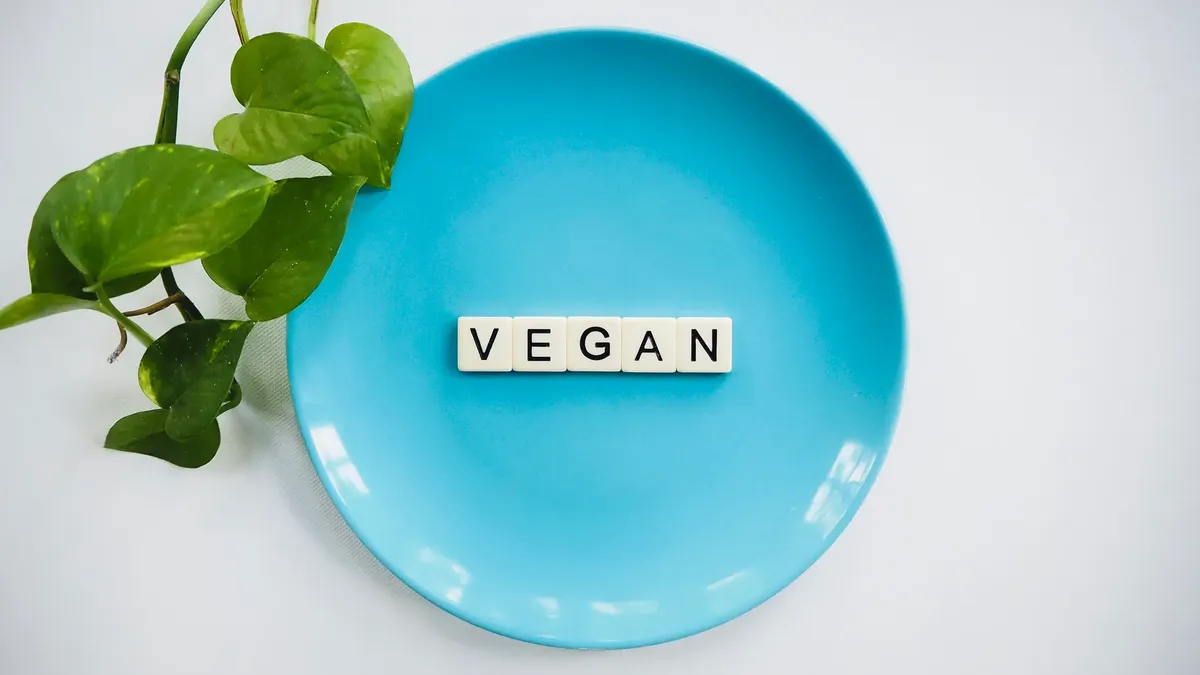
Shifting toward plant-centric eating can increase fiber intake and essential micronutrient consumption.
How do plants help the environment? A farmer looks over vast fields, considering the land required to sustain growing populations. The scale of global agriculture is deeply tied to how we choose to eat.
Shifting food production toward plants can significantly reduce the ecological footprint of our meals. The report said that livestock has the largest environmental impact, with some 80% of all global farmland used to rear cattle, sheep and other animals used by humans for food.
Currently, over 66% of agriculture land is used to grow food for livestock, while a mere 8% is used to directly grow food that humans will consume.
A vegan diet offers specific advantages for land and water preservation.
A 2023 study published in Nature Food found that a vegan diet vastly decreases the impact on the environment from food production, such as reducing emissions, water pollution and land use by 75%, reducing the destruction of wildlife by 66% and the usage of water by 54%.
Around 35% of all habitable land around the world is used to rear animals used by humans in food production. Reducing reliance on animal products directly addresses these massive land-use requirements.
Producing plant-based foods generally requires less land and water compared to traditional livestock farming.
How to implement a plant-based diet?
A person sits at a kitchen table, organizing a weekly meal plan to incorporate more legumes and greens. Transitioning to a plant-based diet requires intentionality to ensure nutritional adequacy.
To start a successful transition, follow these steps:
- Focus on whole foods like fruits, vegetables, legumes, and whole grains to avoid the pitfalls of ultra-processed alternatives. 2. Gradually replace animal proteins with plant-based sources such as beans, lentils, or tofu. 3. Plan meals to ensure a variety of nutrients are consumed to meet daily needs.
A final check involves reviewing your meal plan to ensure it is balanced and meets your personal health goals. I compared my own grocery list to these steps to ensure I was focusing on whole ingredients rather than processed substitutes.
- Gradually replace meat with plant proteins like lentils or tofu.
- Focus on whole foods rather than processed meat substitutes.
- Experiment with various spices to enhance natural flavors.
Can anyone follow this diet?
A student prepares a quick salad in a campus dining hall, looking for a convenient way to eat healthy. While versatile, the diet must be adapted to individual needs.
Vegetarian diets form a subset of plant-based diets, which may exclude the consumption of some or all forms of animal foods. This flexibility allows individuals to tailor their intake based on preference or health requirements.
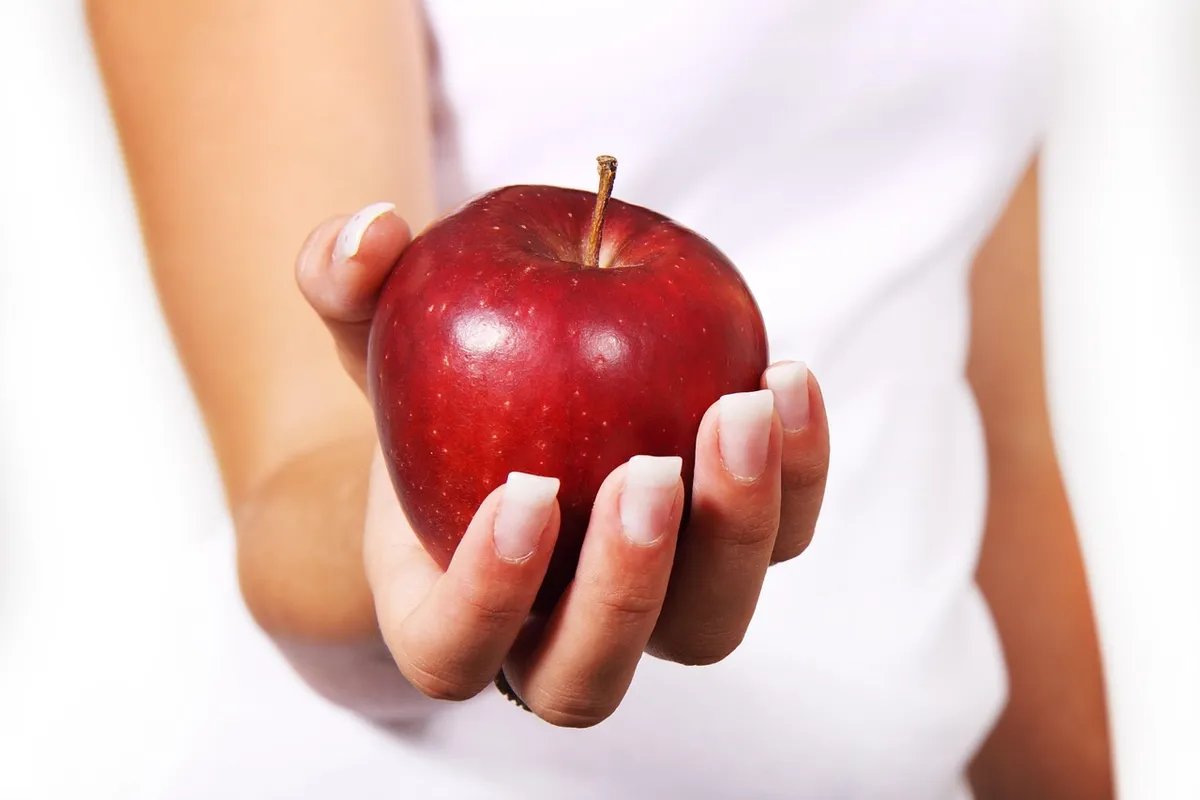
However, certain health considerations apply to specific populations. For instance, individuals with existing medical conditions should consult professionals, as the British Dietetic Association notes that while these diets support healthy living, they should be properly planned.
In this sequence, the second step is the most significant.
Summary of dietary impacts
| Category | Observed Effect |
|---|---|
| Weight Management | Vegan diets (12+ weeks) can reduce body weight by 4 kg |
| Blood Pressure | Vegan diets can reduce blood pressure by about 4 mmHg |
A plant-based diet offers a versatile approach to nutrition and environmental stewardship.
Adopting this lifestyle involves balancing nutritional needs with environmental and personal health goals.
The subject here is plant diet disease prevention.
The same subject is also called vegan diet health benefits.
The same subject is also called animal protein less diet.
China Study findings
Related





Comments 0