Livestock impact environment: 26% of planet's surface guide
"The scale of animal agriculture is reshaping the very geography of our planet, turning vast wilderness into grazing lands and feeding crops."
The livestock impact environment is a growing concern as industrial farming shifts the balance of natural ecosystems. This article examines how current grazing practices affect the planet and explores how moving toward more sustainable dietary patterns can mitigate these ecological pressures.
Key takeaways: * Large portions of the Earth's surface are dedicated to livestock grazing. * Feed crop cultivation is a primary driver of biodiversity loss. * Reducing animal product consumption can support environmental sustainability.
How much land is used for livestock impact environment?

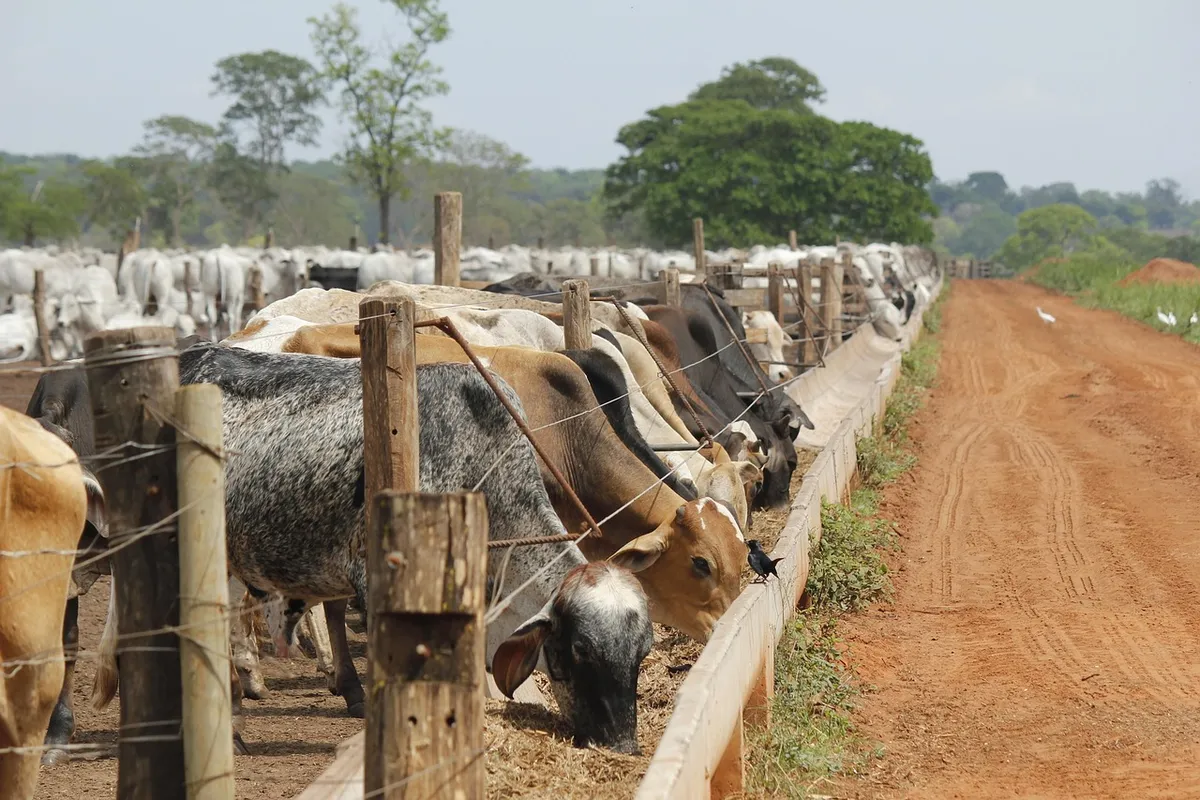
A farmer walks across a vast, rolling pasture where the fence lines stretch toward the horizon. According to a 2006 United Nations Food and Agriculture Organization report, Livestock's Long Shadow, around 26% of the planet's terrestrial surface is devoted to livestock grazing.
This massive footprint shapes how we use the Earth.
The sheer scale of land use for animal husbandry ecology creates a constant tension between agricultural needs and natural preservation. When such a significant portion of the planet is dedicated to grazing, it limits the space available for other vital ecosystems.
The transition to different food systems requires understanding these spatial requirements to manage the farming effect planet. As populations grow, the demand for land to support livestock increases, often at the expense of forests and wild habitats.
Large portions of the Earth's terrestrial surface are dedicated to grazing pastures and the production of feed crops.
Why does livestock farming affect biodiversity?
A researcher observes a shrinking forest edge where a field of soy crops begins.
A 2017 World Wildlife Fund study found that 60% of biodiversity loss can be attributed to the vast scale of feed crop cultivation needed to rear tens of billions of farm animals, which puts enormous strain on natural resources, resulting in extensive loss of lands and species.
This loss of variety in life forms is a direct consequence of the food system sustainability crisis. When land is cleared to grow feed, the natural habitats required for various species to thrive are often permanently destroyed.
The livestock biodiversity loss is not just about land area but about the disruption of complex biological webs. The intensive use of resources to feed livestock creates a ripple effect that reaches far beyond the farm gate.
Expanding agricultural land often requires clearing natural habitats, which reduces the space available for wild species to live and thrive.
How can a sustainable diet help?
A person sits at a kitchen table, looking over a menu of plant-based ingredients.
In 2019, researchers associated with the EAT-Lancet Commission argued that dietary patterns that reduced consumption of animal products, could support environmental sustainability while also meeting global nutritional needs when compared with typical Western diets.
Shifting toward these patterns offers a way to balance human nutrition with the health of the planet. By choosing foods that require less land and water, we can help alleviate the pressure on global resources.
The goal is to find a balance where human dietary needs do not come at the cost of the planet's stability. Moving toward these suggested patterns represents a proactive approach to environmental stewardship.
Reducing reliance on animal products can lower the total amount of land required to feed the global population.
What are the practical steps for a dietary shift?
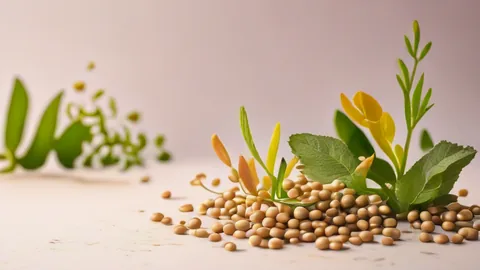
A cook prepares a meal using various grains, legumes, and vegetables. To begin transitioning toward more sustainable eating habits, one can follow these steps:
- Reduce the frequency of animal product consumption in daily meals. 2. Incorporate more plant-based proteins, such as beans, lentils, or tofu, into core recipes. 3. Explore diverse whole foods to ensure nutritional variety.
I found that starting with small, incremental changes to my weekly grocery list made the transition feel much more manageable.
A final check of your nutritional balance ensures that these changes remain healthy and satisfying over the long term.
- Incorporate more plant-based meals into your weekly routine.
- Replace some animal proteins with legumes, nuts, or grains.
- Focus on seasonal and locally sourced ingredients.
How do different diets compare in land use?
A scientist compares two different maps of land usage on a digital screen. Understanding the difference in resource requirements is essential for making informed decisions.
| Diet Type | Land Use Impact |
|---|---|
| Typical Western Diet | High land and resource demand |
| Reduced Animal Product Diet | Lower environmental footprint |
While specific global adoption rates vary, the potential for land-use reduction remains a key motivator for dietary changes.
Plant-based diets generally require significantly less land per calorie than diets centered on meat production.
What are the limitations of these changes?
A traveler looks at a map of a region where agricultural land is the primary feature. One limitation is that dietary shifts must be carefully managed to ensure they meet the specific nutritional requirements of different populations.
The effectiveness of these shifts depends on the availability of diverse food sources and the ability to maintain health while reducing certain food groups.
Transitioning to new eating patterns can be influenced by cultural traditions, food accessibility, and nutritional requirements.
Wikipedia: Veganism Based on the retained excerpt mentioning Sea Shepherd Conservation Society: Paul Watson of the Sea Shepherd Conservation Society called pigs and chicken "major aquatic predators", because livestock eat 40 percent of the fish that are caught.
The subject here is livestock impact environment.
This part also covers FAO report animal farming.
This part also covers sustainable diet needed.
This part also covers global warming livestock.
FAO report animal farming
Related
- What types of diets are considered plant-based?
- Sustainable diet definition: Why focus on food choices now
Why is the scale of animal agriculture so significant?
The vast scale of animal agriculture reflects the immense land requirement needed to support current global consumption patterns. The sheer volume of land dedicated to grazing and growing feed crops drives the environmental pressure.
This massive allocation of terrestrial surface area dictates the broader ecological constraints on human activity.
This high land requirement is a direct function of current dietary norms, which heavily favor animal products. The comparison between diets reveals that the current system demands substantial natural resources to maintain its productivity.
Therefore, addressing the environmental strain necessitates acknowledging the current scale of animal production and its dependency on land use.






Comments 0