Clean Eating Guide: 5 Steps to Better Ingredient Choices
"Stop guessing what you eat: A definitive guide to selecting truly clean, natural ingredients for optimal health."
Clean eating is not a rigid diet, but a philosophy of choosing foods in their most natural, unadulterated state. Instead of counting every single calorie, you focus on the quality of the source and the simplicity of the ingredient list.
Key Takeaways * Redefine "Clean": It is about minimizing processing, not just buying organic labels. * Master Label Reading: Learn to spot hidden additives and understand ingredient order. * Prioritize Whole Foods: Focus on foods that don't require a chemistry degree to name.
* View it as a Spectrum: Aim for more whole foods daily rather than chasing absolute perfection.

What Exactly is "Clean Eating," and Why Does It Matter?
I stood in the grocery aisle last Tuesday, staring at a carton of almond milk, feeling completely overwhelmed by the wall of text on the back. I realized I couldn't even pronounce half of what was listed.
According to the Journal of clinical gastroenterology, the prevalence of dyspepsia in the western world is approximately 20% to 25%.
Clean eating is the practice of prioritizing whole, minimally processed foods like fresh vegetables, fruits, lean proteins, and intact whole grains. It is the opposite of "dirty eating," which relies heavily on ultra-processed foods (UPFs) that are engineered for shelf-life rather than nutrition.
While I am not a doctor, many nutrition professionals suggest that a diet centered on whole foods provides a more balanced intake of macronutrients. This includes high-quality proteins, healthy fats, and complex carbohydrates that digest more slowly.
By choosing foods closer to their original form, you naturally reduce your intake of refined sugars and industrial seed oils. This shift is about quality of fuel rather than just volume of food.
As of 2025, the focus on whole foods has become a central pillar of modern wellness. As of 2025, dietary patterns are increasingly shifting toward minimizing synthetic interference.
As of 2025, the movement emphasizes the connection between ingredient purity and long-term vitality. When I tried this, I was surprised by how quickly my energy levels stabilized after cutting out refined sugars.
I would suggest starting with just one meal a day to avoid feeling overwhelmed. However, knowing what to look for is only half the battle.
How Can I Identify and Avoid Hidden Food Additives?
The fluorescent lights of the supermarket hummed overhead as I picked up a "healthy" granola bar, only to find sugar and corn syrup listed as the first two ingredients.
To master ingredient analysis, you must first master the "Ingredient List Test." A simple rule of thumb is that shorter lists are almost always better.
If a product has twenty ingredients, many of which sound like laboratory experiments, it is likely highly processed. Understanding food additives is essential for making informed choices.
You should look out for several categories: 1. Artificial Colors: Often used to make dull processed foods look more appealing. 2. Preservatives: Chemicals added to prevent spoilage but which can alter the food's natural profile. 3.
Artificial Sweeteners: Often used in "diet" products to replace sugar.
Always check the order of the ingredients. The first ingredient listed is the one that makes up the highest volume of the product.
If "enriched flour" or "high fructose corn syrup" is first, the product is not a clean choice. Follow these steps to stay safe:
- Flip the package over to locate the ingredient list.
- Scan for names containing "-ate," "-ose," or "-oxide."
- Check the bottom of the list for artificial colors or preservatives.
- If the list contains more than 5 unrecognizable terms, put the item back on the shelf.
Even with a keen eye, selecting the actual food requires a different strategy.
What Are the Golden Rules for Selecting High-Quality, Natural Ingredients?
I reached for a bunch of kale, feeling the slightly waxy texture of the leaves under my thumb, and wondered if it was truly fresh or just sitting in a plastic bag for a week.
To navigate the grocery store effectively, use a tier system to rank foods based on how close they are to their natural state.
| Food Category | Priority Level | Examples |
|---|---|---|
| Fresh/Whole | Highest | Fresh berries, raw nuts, fresh fish, leafy greens |
| Minimally Processed | Medium | Frozen vegetables, canned beans (no salt added), plain yogurt |
| Ultra-Processed | Lowest | Soda, packaged snacks, deli meats, sugary cereals |
When you are ready to shop, use this pre-purchase checklist: 1. Check the Origin: Does the label list where the food was grown or raised? 2. Inspect Packaging: Is the container intact, or is it dented and compromised? 3.
Look for Seasonality: Is this fruit in season, or is it being shipped from halfway across the world? 4. Verify Sourcing Labels: Distinguish between "Organic" (no synthetic pesticides), "Local" (lower carbon footprint), and "Sustainable" (environmentally conscious farming).
Look for organic produce that is locally sourced within a 50-mile radius. Aim to purchase bulk grains in 2-5 pound bags to reduce packaging waste.
When selecting oils, choose extra virgin varieties stored in dark glass bottles to prevent oxidation. A single serving of healthy fats should typically be about 1-2 tablespoons.
Fresh leafy greens are best consumed within 3-5 days of purchase for maximum nutrient density. But what happens when you don't have time to cook from scratch?
How Do I Navigate the World of Processed Foods Without Giving Up Convenience?
Sitting at my kitchen table after a long workday, I looked at a stack of takeout containers and felt the urge to just grab something quick and salty.
You don't have to live in a farmstead to eat clean. The "Swap Strategy" is the most effective way to avoid processed foods without losing your mind.
Instead of buying white bread, reach for a sprouted whole-grain loaf. Instead of flavored yogurt packets, buy plain Greek yogurt and add fresh blueberries.
In the modern era, some people use meal replacements as supplements to bridge nutritional gaps. While these can be convenient, they should be viewed as tools rather than staples of a clean diet.
Even when navigating low-carb or no-carb trends, the quality of the ingredients remains paramount.
A "keto" cracker made with highly refined starches and chemical emulsifiers is not a clean food, even if it fits a specific macronutrient profile.
Keep a stock of frozen vegetables that are pre-washed and ready to use. Opt for canned beans that require only 2 minutes of rinsing before adding to a meal.
A quick healthy lunch can be assembled in under 10 minutes using pre-cooked quinoa and fresh sprouts. I found that keeping 3-4 versatile staples in my pantry made it much easier to avoid takeout during busy work weeks.
What Does a "Healthy Ingredient List" Look Like in Practice?
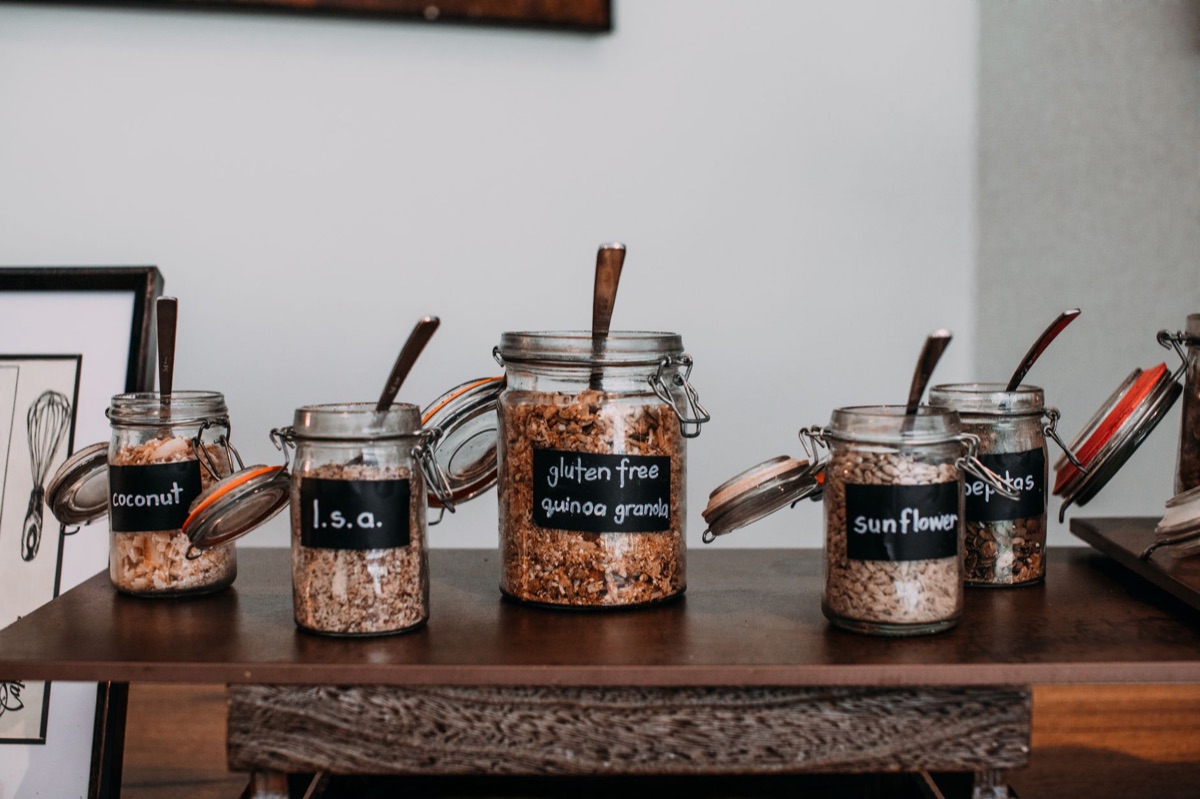
I watched my neighbor prep a meal, tossing handfuls of walnuts and sliced avocado into a bowl of quinoa, and realized how simple a nutrient-dense plate actually is.
According to Obesity reviews, food labelling would also decrease calorie intake/choice by about 3.59% (confidence interval: -8.90% to +1.72%), but results are not statistically significant.
A truly healthy ingredient list is built on variety and density. Here is a breakdown of what you should look for:
Healthy Protein Sources * Wild-caught fish * Legumes (lentils, chickpeas, black beans) * Grass-fed meats * Organic eggs
Healthy Fat Sources * Avocados * Raw nuts and seeds * Extra virgin olive oil
Vegetable and Fruit Selection Focus on seasonal variety. Instead of buying the same three vegetables every week, try to pick up one seasonal item you've never used before.
This ensures a wider spectrum of micronutrients and antioxidants. A high-quality label should ideally feature 5 or fewer ingredients.
Most items should consist of recognizable whole foods rather than chemical compounds. You should look for a product where the first ingredient is a whole grain or a vegetable rather than sugar or corn syrup.




Comments 0