Cloudberry: Why fiber is best for your health 90
As dietary trends shift toward nutrient density, the rise of specific superfoods like cloudberries offers a promising way to address widespread nutritional gaps. This guide explores the health benefits of cloudberries, how to select quality options, and how they fit into a modern diet. Key takeaways include understanding fiber needs, recognizing nutrient-dense profiles, and managing sugar intake.
Why is cloudberry health benefits becoming a trend?

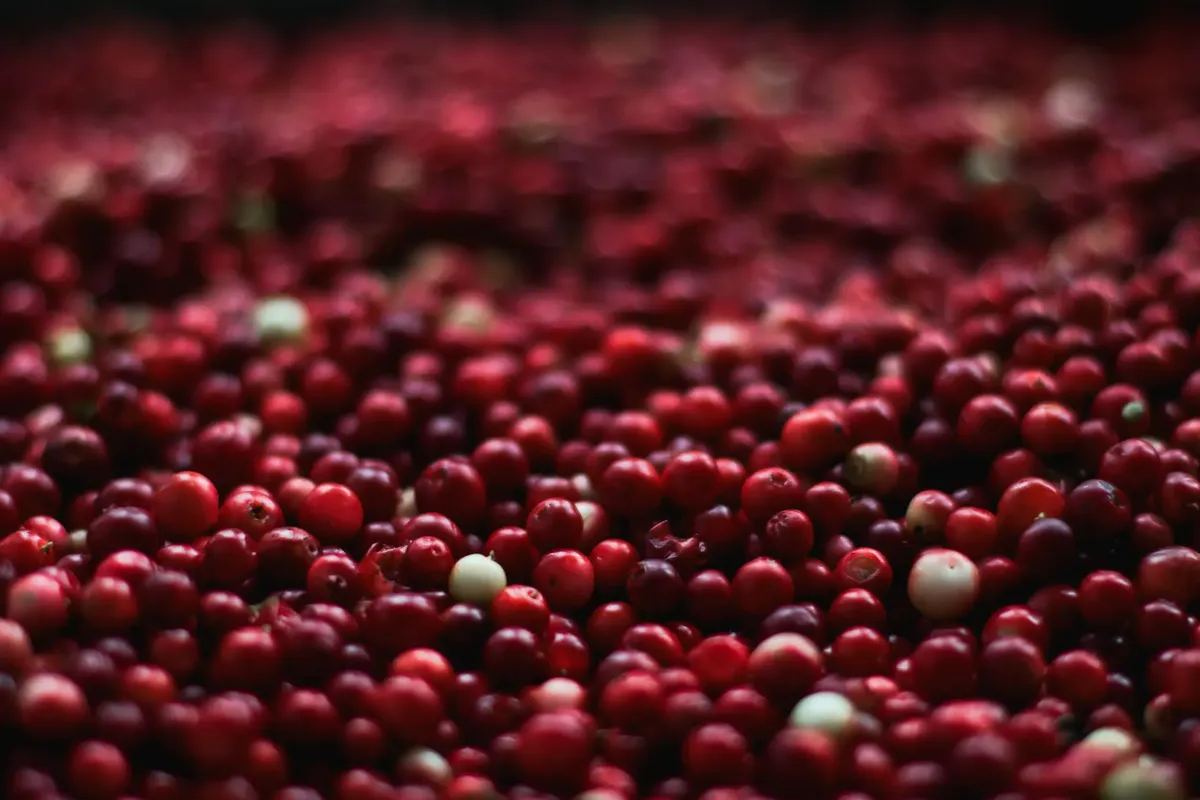
At dawn, she reaches for a handful of bright fruit to taste the tartness of a cloudberry.
A person reaches for a bowl of fresh berries during a crisp autumn morning, seeking a natural boost. This interest in cloudberry health benefits stems from a global need to address nutritional deficiencies in everyday meals.
According to the USDA, most adults are not getting the amount of fiber they need, with 90% of women and 97% of men falling short of requirements. This creates a natural momentum for foods that provide high fiber content.
Adding such items to a routine can help bridge the gap for those seeking better digestive support.
However, the health benefits may be limited if the berries are heavily processed with added sugars.
How to manage a healthy cloudberry diet?
In the quiet kitchen at dawn, he carefully weighs each cloudberry to ensure a balanced meal.
A shopper examines various fruit options at a local market, looking for the most efficient way to add nutrition to their life. Incorporating these into a healthy cloudberry diet requires balance to ensure sugar intake remains controlled.

For those focused on wellness, managing portions is essential. A 150ml glass of fruit juice or smoothie counts as one portion, but it is best to limit these to no more than one glass a day because these drinks can be sugary and potentially damage teeth.
Staying mindful of these limits ensures that the benefits of the fruit are not offset by excessive sugar.
However, overconsumption may lead to an imbalance in total caloric intake.
What are the cloudberry nutrition facts?
A person reads a nutrition label carefully before adding a new ingredient to their pantry. Understanding cloudberry nutrition facts helps in planning meals that meet specific dietary goals.
While specific berry data varies, comparing nutrient-dense foods is helpful. For example, dried cloud-ear fungi provide 70.1g of dietary fiber per 100g. In comparison, a 100g serving of V8 SPLASH Diet Berry Blend juice contains 1.23g of carbohydrates and 4kcal.
| Food Item | Dietary Fiber (per 100g) | Calories (per 100g) |
|---|---|---|
| Dried Cloud Ears | 70.1g | 284kcal |
| V8 SPLASH Diet Berry Blend | Not specified | 4kcal |

I found that comparing these specific values helps me decide which ingredients to prioritize for fiber.
However, these nutritional values can vary depending on the ripeness and growing conditions of the fruit.
Is there a guide for best cloudberry selection?
A hand reaches for a container of berries, checking for firmness and color. Finding the best cloudberry selection often involves looking for freshness and minimal processing.
- Look for berries that are firm to the touch and free from bruising. 2. Check that the color is consistent with the variety's natural ripeness. 3. Ensure the packaging is intact if buying pre-packaged options.
Always perform a final check to ensure the product is within its freshness window.
- Inspect the berries for a firm texture and vibrant color.
- Avoid any fruit that shows signs of bruising or soft spots.
- Select berries that have a consistent, plump appearance.
How does this apply to a fall superfood trends lifestyle?
A person prepares a morning meal, mixing berries into a bowl of oats as the leaves change outside. Applying these nutrients to fall superfood trends allows for seasonal variety in a healthy lifestyle.
If you are managing a specific condition, such as high sugar intake, be cautious. Since more than 22.5g of total sugars per 100g means a food is high in sugar, it is important to check labels. This is particularly relevant when selecting processed berry products over whole fruits.
However, seasonal trends should not replace a consistently varied diet.
The same subject is also called Cloudberry diet trends.
The same subject is also called Cloudberry dietary fiber.
This part also covers Cloudberry for weight loss.
Related
- Intermittent Fasting Weight Loss: 24-Hour Fasting Guide
- Keto diet starting guide: Low carb diet choice why
How to balance dietary trends with fiber needs?
A person adjusts their meal plan to accommodate changing dietary trends while prioritizing fiber intake. This balance requires comparing the fiber content of different food items to meet the needs of 97% of men and 90% of women who currently fall short of requirements.
According to the Food and Agriculture Organization, the UN Food and Agriculture Organization estimates that in 2023 40% of the world population, 2.8 billion couldn't afford a healthy diet.
When comparing fiber sources, one might look at dried cloud-ear fungi which provide 70.1g of dietary fiber per 100g. This is a much higher amount than the 1.23g of carbohydrates found in a 100g serving of V8 SPLASH Diet Berry Blend juice.
Comparing these values helps in selecting items that effectively bridge the nutritional gap.
However, relying solely on single superfoods can make it difficult to meet all daily fiber requirements.
What precautions should be taken with processed berry products?
An individual checks a label to ensure a processed product does not exceed sugar limits. Using these products within modern dietary trends requires caution regarding sugar levels.
If a product contains more than 22.5g of total sugars per 100g, it is considered high in sugar. This condition makes it important to limit juice to one 150ml glass per day to prevent excessive sugar intake and potential tooth damage.
Always compare the sugar content of processed items against the benefits of whole fruits to maintain a healthy balance.




Comments 0