What's actually inside green tea extract for weight loss?
A person sits at a wooden kitchen table, watching the steam rise from a glass of amber-colored liquid as the morning sun hits the surface. They wonder if this simple routine truly contributes to their health goals or if the claims are merely marketing.
Understanding green tea extract for diet purposes requires looking closely at the scientific evidence regarding its actual physiological impact.
This guide explores the nutritional profile of tea-based beverages, the reality of health claims, and how to integrate these drinks into a structured lifestyle.
You will learn to distinguish between dietary data and unverified health promises, while recognizing that weight management is a complex process involving more than just a single supplement.
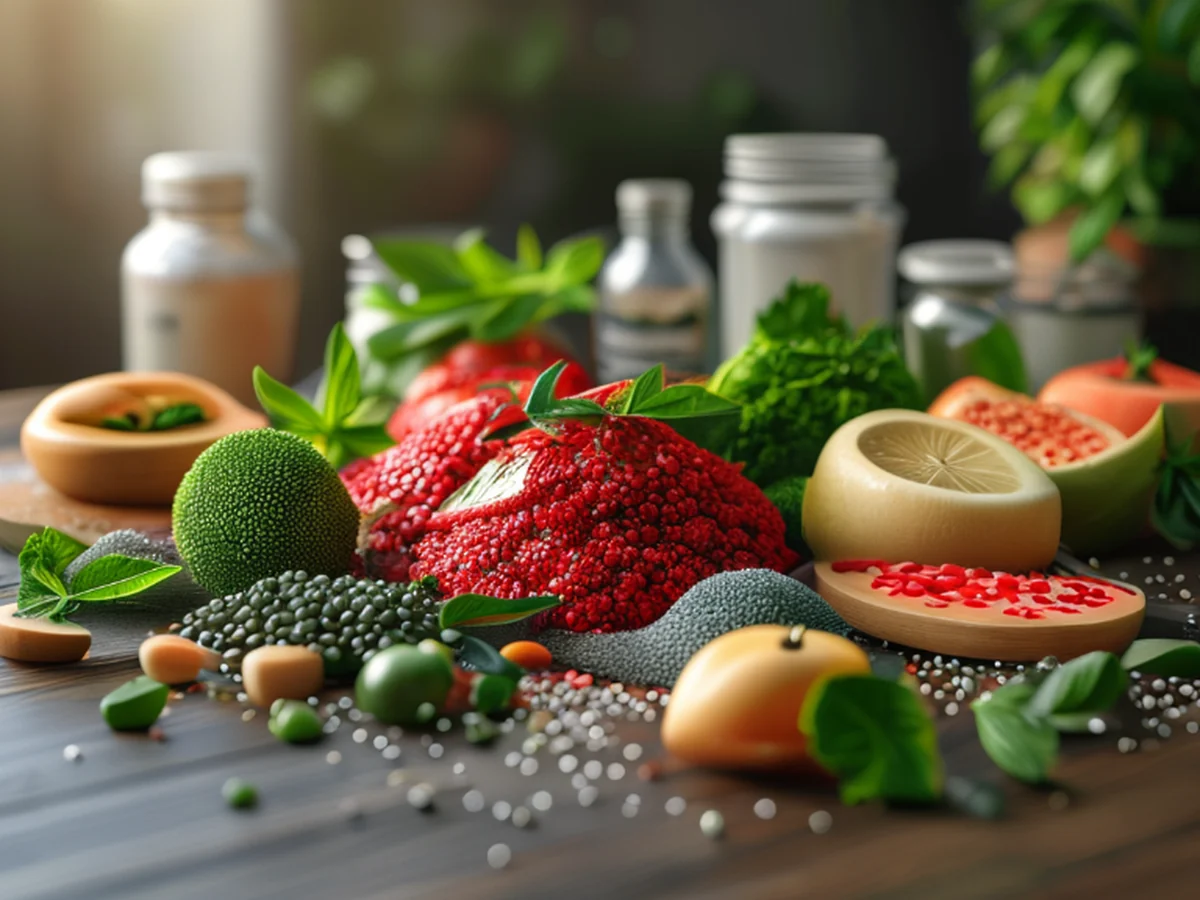
What's actually inside green tea extract for weight loss? In the morning light, a hand reaches for a glass of green liquid to taste the bitter warmth of the extract.
A hand reaches for a bottle of ready-to-drink tea, checking the label for vitamins and minerals before pouring it into a glass. Understanding the base ingredients is the first step in managing caloric intake.
This specific beverage also provides 9.5mg of Vitamin C, 6mg of sodium, 5mg of potassium, 1mg of calcium, 1mg of magnesium, and 0.01mg of zinc.
These values represent the fundamental building blocks of the beverage.
For those choosing flavored options, such as a ready-to-drink lemon-flavored black and green tea mix, the profile shifts slightly. This version provides 2kcal of energy and 0.1g of carbohydrates per 100g. It also contains 20mg of potassium, 0.1g of protein, and 3mg of sodium.
Comparing these two options helps in selecting a drink that fits specific daily caloric targets.
Green tea extract primarily contains catechins, specifically epigallocatechin gallate (EGCG), which are potent polyphenols. These compounds work alongside a small amount of natural caffeine to influence metabolic processes.
How do people use tea extract weight loss strategies? Green tea extract for diet
At the kitchen counter, they swallow a green capsule while feeling the cool air of the early morning.
A person stands in a bright kitchen, measuring out tea leaves to brew a fresh pot for the afternoon. They consider how these ritualistic habits fit into a broader nutritional plan.
Effective tea extract weight loss strategies often involve using these beverages as low-calorie alternatives to sugary drinks. Because the caloric density is minimal, they can be consumed without significantly impacting the daily energy balance.
This allows individuals to focus on more substantial meals while staying hydrated.
Using tea extract body fat management tools often requires looking at the total daily intake. While these drinks are low in calories, they are not a replacement for solid food. Instead, they serve as a tool for satiety and hydration within a controlled diet.
Individuals typically incorporate tea extract into their weight management plans through the following methods: 1. Consuming standardized capsules to ensure a consistent dose of catechins. 2. Integrating liquid extracts into morning beverages for a caffeine boost. 3.
Timing intake around meals or exercise sessions to align with metabolic activity.
Can tea extract really help me control body fat? A person looks at a scale in the bathroom, then turns back to a cup of tea, pondering the connection between the two. They seek to understand if the liquid in the cup can actually change their body composition.

The reality of tea extract body fat control is subject to the overall energy balance of an individual. While tea provides specific micronutrients, it does not inherently cause weight loss without a calorie deficit.
Scientific consensus suggests that these supplements should be viewed as part of a lifestyle rather than a magic solution.
A diet supplement tea can be part of a healthy routine, but it is not a primary driver of change. It is important to note that a high protein diet relative to a low-fat or high-carbohydrate diet may increase thermogenesis and decrease appetite, which can lead to weight reduction.
This is often most noticeable 3-6 months into a diet.
While tea extract can support metabolic health, it is not a magic solution for fat loss. It serves as a supplemental tool that works best when paired with a calorie-controlled diet and regular physical activity.
What are the limitations of tea extract ingredient guide claims?
A reader flips through a health magazine, comparing the articles to the tea sitting on their desk. They realize that not every claim made on a label is backed by rigorous science.
When following a tea extract ingredient guide, it is vital to remain skeptical of broad health promises.
This highlights the importance of verifying claims through official channels.
Users should focus on the nutritional data provided by organizations like the USDA rather than speculative health benefits.
Claims regarding rapid weight loss can be misleading, as individual results vary based on genetics, diet, and activity levels. Furthermore, excessive consumption can lead to side effects like jitteriness or stomach upset due to the caffeine content.
How to apply these findings to a daily routine?
A person prepares a meal plan for the week, placing a bottle of tea next to their meal prep containers. They prepare to implement a structured approach to their health.
To use these insights effectively, follow these steps:
- Monitor the specific caloric and carbohydrate content of your chosen tea using data from reliable sources like the USDA. 2. Integrate low-calorie tea consumption into your meal timing to manage hunger without adding significant calories. - 3. Balance tea consumption with a diet that manages total energy expenditure, such as understanding your Basal Metabolic Rate (BMR). 4. Perform a final check to ensure your total daily intake aligns with your specific weight management goals.
I found that comparing the carbohydrate levels of different tea brands helped me stay within my daily limits.
A limitation of these strategies is that the advantages of certain dietary shifts may be reduced later at 12–24 months into a diet during the slow weight loss phase.
To use these findings effectively, focus on using tea extract as a supplement rather than a primary weight loss method. Maintain a balanced diet and consistent exercise regimen to complement the metabolic support provided by the extract.
- What's actually inside green tea extract for weight loss?
- How do people use tea extract weight loss strategies?
- Can tea extract really help me control body fat?
The subject here is Green tea extract for diet.
The same subject is also called Green tea fat control.
This part also covers Best green tea diet aids.
This part also covers Green tea extract ingredient guide.
This part also covers Comparing tea extract products.
Related
- RDA vs. Reality: Tailoring Diet to Individual Body Needs
- Sustainable Dieting: 4 Pillars for Long-Term Fat Loss
Disclaimer: This article is general information, not medical advice. Consult a qualified healthcare professional before taking any supplement or medication.




Comments 0