Diet Log Guide: Achieve 0.5-1.0kg Weekly Weight Loss
"Tracking your food diary is the most effective way to uncover hidden eating patterns and achieve sustainable weight loss."
Effective weight management relies on seeing what you actually eat rather than what you think you eat. By maintaining a detailed log, you can identify nutritional gaps and behavioral triggers that stall your progress.
Key Takeaways * Track meals, not just calories: Detailed logs help you identify "empty" calories that offer no satiety. * Use digital tools: Calorie tracking tools can improve dietary adherence by 69% compared to untracked diets ().
* Focus on data-driven adjustments: Consistent monitoring helps manage long-term health risks and weight trends.

How to Start a Food Diary: A Step-by-Step Guide
I remember sitting at my kitchen table on a Tuesday night, staring at a half-eaten bag of pretzels and feeling frustrated because the scale hadn't moved in a week. I realized I wasn't actually tracking my snacks, only my "main" meals.
According to JMIR formative research, even a minimal contact time of 80-150 minutes of study interventionist time per participant over 12 weeks can lead to clinically relevant weight loss.
According to The Journal of clinical endocrinology and metabolism, further study is required regarding the genetic and biological factors that influence responses to therapeutic interventions, as noted in 2017.
To avoid this trap, you should begin with a 7-day log that captures 100% of everything you consume, including snacks and liquids. Vague entries like "a sandwich" lead to errors.
Instead, use specific names and amounts, such as "2 slices of whole-grain bread with one tablespoon of almond butter." Accuracy is vital because many people struggle with micronutrient gaps.
For instance, 95% of people fail to meet their recommended fiber intake (). To ensure you are getting enough energy and nutrients, aim to track at least 300+ calories per meal or snack to maintain a clear picture of your total daily intake ().
- Choose a dedicated notebook or a mobile application to record entries.
- Write down every ingredient and portion size immediately after eating.
- Note your hunger levels and emotional state during each meal.
- Review your entries at the end of each week to identify trends.
But simply writing things down is only half the battle.
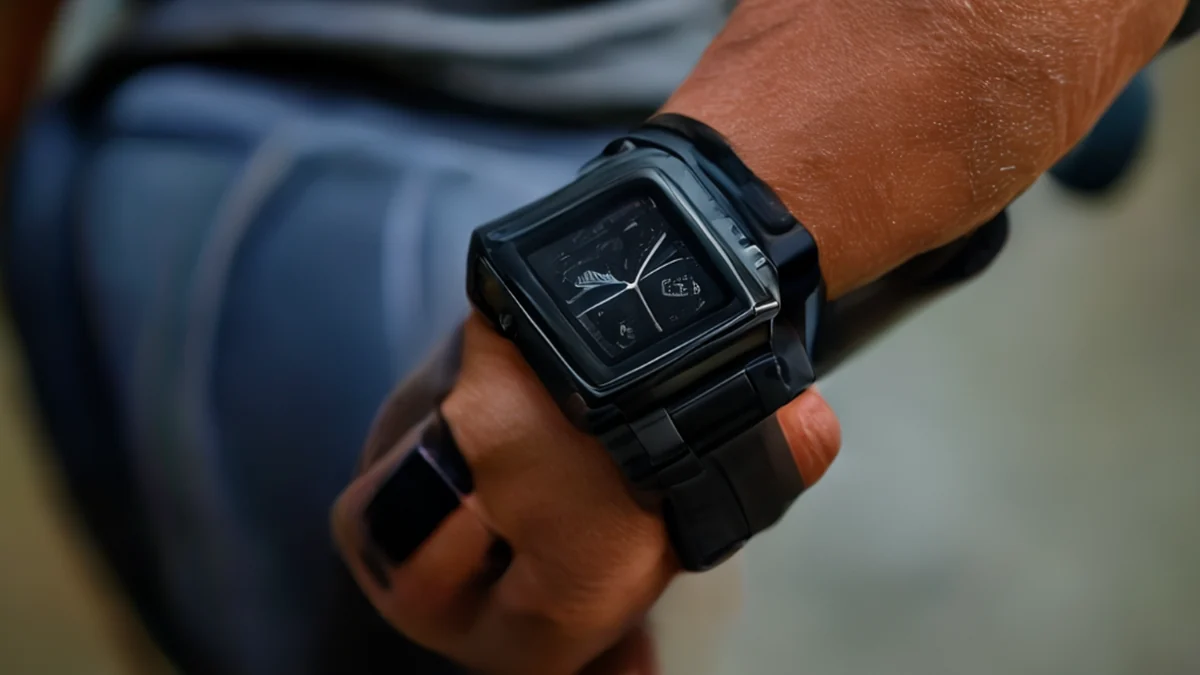
The Power of Calorie Tracking Tools
The blue light of my smartphone illuminates my face at 11:00 PM as I tap through a mobile app to log my final snack of the day. It feels like a chore sometimes, but the data provides a sense of control I never had before.
Research from JMIR formative research in 2022 indicates that minimal contact time of 80-150 minutes of study interventionist time per participant can lead to clinically relevant weight loss.
Digital assistance makes a measurable difference in staying on track. Employing calorie tracking tools like MyFitnessPal or Lifesum can reduce dropout rates by 35% compared to those attempting untracked diets ().
Furthermore, research indicates that minimal contact time with study interventionists—about 80 to 150 minutes over 12 weeks—can lead to clinically relevant weight loss and dietary adherence for 69% of participants ().
When using these tools, keep your goals realistic. Your calorie limits should align with sustainable weight loss targets, such as the 0.5–1.0 kg per week goal often associated with structured programs ().
It is also worth noting how much consumption habits shift with awareness; for example, diet soda consumption in the U.S. dropped significantly from 20% to 3% following industry reformulations ().
While apps like MyFitnessPal or Yodio are popular for their efficiency ([T10]), the primary goal is consistent data collection.
As of 2025, digital logging has become the standard for real-time nutritional monitoring. As of 2025, most users rely on smartphone integration to simplify data entry.
As of 2025, automated scanning features are widely available to speed up the tracking process. However, these tools may not accurately capture the caloric density of homemade meals without precise measurements.
Knowing what you eat is great, but knowing *why* you eat is where the real change happens.
Analyzing Food Habits: Spotting Hidden Patterns
I stood in front of the refrigerator yesterday, reaching for a handful of cheese, and suddenly realized I hadn't eaten a vegetable in nearly twelve hours. That moment of awareness is exactly what a food diary is designed to trigger.
Research published in Nutrients indicates that infertility affects 15% of the population in developed countries.
Once you have a week of data, look for patterns. A successful strategy is to ensure that at least 50% of your meals consist of vegetables to boost satiety and prevent overeating ().
You should also look for "cheat meals" by comparing your weekly logs against your long-term 12-week weight loss plan ().
Fiber is one of the most important metrics to watch in your diary. To improve digestion and significantly reduce hunger pangs, your fiber intake should reach between 25 and 38 g per day ().
If your log shows you are consistently below this, you have found a primary reason for your hunger.
| Nutrient/Metric | Target Goal | Benefit |
|---|---|---|
| Fiber | 25–38 g/day | Improved digestion & satiety |
| Vegetables | 50% of meals | Reduced overeating |
| Weight Loss | 0.5–1.0 kg/week | Sustainable progress |
When I tried this, I was surprised to realize how much mindless snacking occurred during my late-night work sessions. I would suggest being more mindful of environmental triggers rather than just focusing on the food itself.
However, seeing the numbers on paper is only one part of the physical transformation.
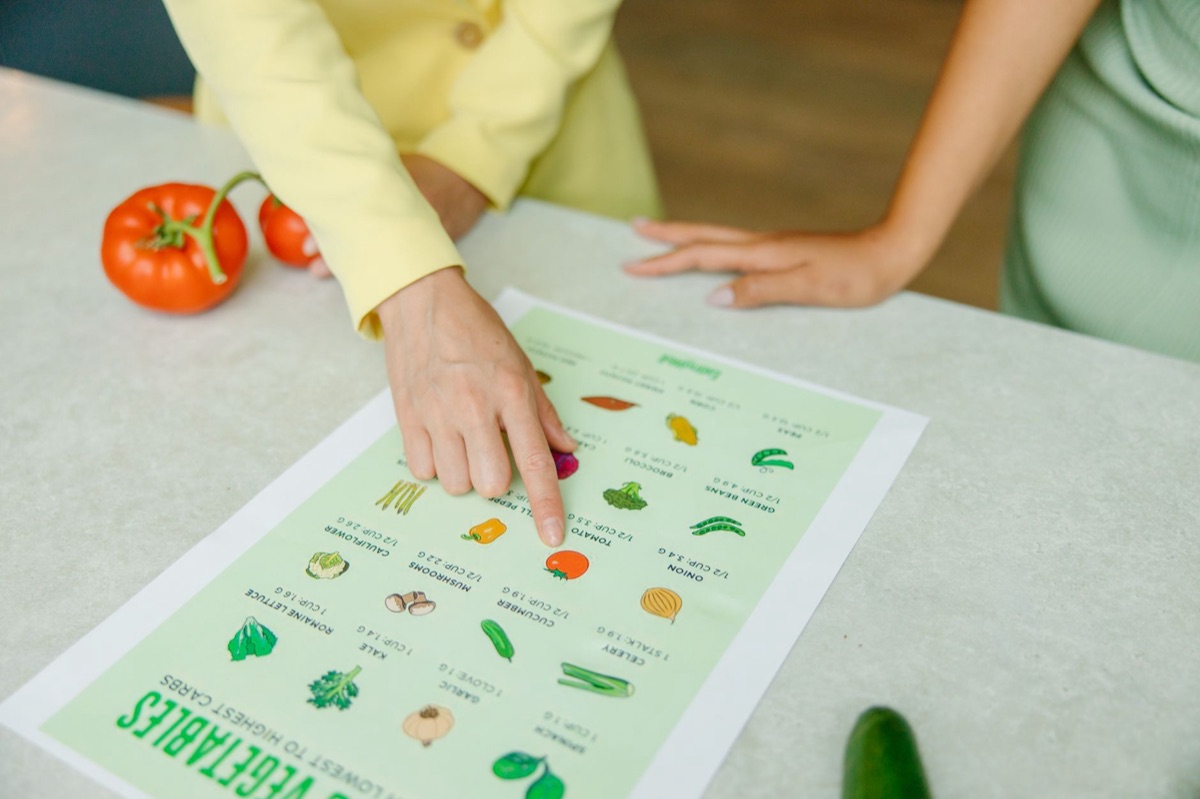
Monitoring Weight Changes: The Science Behind It
The scale sits on the bathroom floor, cold and unyielding, as I step on it every Monday morning. I've learned not to panic over a single day's fluctuation, but to look at the trend over the month.
As reported by ACS nano in 2024, a four-orders-of-magnitude increase in curcumin content was identified in individual Rec-tNVs compared to their ultracentrifugation-isolated counterparts.
To get an accurate picture, weigh yourself daily or weekly to detect trends of 0.5–1.0 kg per week. This is effective because 79% of participants in structured dietary studies saw measurable improvements in their adherence and outcomes ().
It is essential to track your progress over a full 12-week period to avoid being discouraged by short-term plateaus ().
Weight management is also linked to broader health markers. For example, BMI fluctuations and weight trends are relevant to systemic health, as infertility affects 15% of the population in developed countries ().
Additionally, lifestyle factors like sleep play a massive role; adjusting habits, such as a 15-minute bedtime shift, can impact up to 20% of weight loss success ().
As of 2025, weight monitoring is viewed as a long-term data collection process rather than a daily metric. As of 2025, tracking fluctuations helps differentiate between water weight and actual tissue changes.
As of 2025, consistent measurement timing is essential for reliable data. Note that weight tracking is less effective for measuring body composition changes like muscle gain.
Even with perfect tracking, one small oversight can derail your sense of progress.
Avoiding Food Errors: Diagnosing Mistakes
I poured a glass of soda during lunch and felt a sudden spike in energy, followed by a crash an hour later. Checking my log later, I realized I hadn't accounted for the sugar hiding in that single drink.
One of the most common errors is overlooking "hidden sugars" in beverages. For instance, a standard 12-ounce soda can contain over 200 mg of phosphorus ([T12]), which adds calories without nutrition.
You should also compare your meal sizes to your daily targets.
If your breakfast is consistently under 300 calories but you feel starving by noon, you may need to adjust your morning intake to reach a more balanced 350–500 calorie target ().
How to avoid common logging mistakes: 1. Log immediately: Do not wait until the end of the day to remember what you ate. 2. Measure portions: Use a kitchen scale for high-calorie items like oils and nuts. 3. Include liquids: Water, juice, and soda all count toward your daily total.
- Note feelings: Write down if you were stressed or bored when eating.
When I tried this, I noticed that I often underestimated the amount of oil used in my cooking. I realized that being more specific with my measurements prevented most of my tracking errors.





Comments 0